How you store food in a kitchen or pantry matters just as much as how you cook it. One detail people often miss is how far food should be kept off the floor. Many people wonder: how many inches does food need to be stored above the ground?
Raising food off the floor is not only about keeping things tidy. It is also an important part of food safety. When food is left on the ground, it can get dirty, attract pests, or come into contact with cleaning chemicals. Therefore, keeping it off the floor protects it and simplifies cleaning.
Food Safety Regulations and Industry Best Practices
Food safety authorities and health inspectors require that food be stored at least six inches off the floor. This helps air move around, makes it easier to clean underneath, and prevents contamination.
Health inspectors check for this rule during their visits, especially in restaurants and other food service locations. Businesses use shelves, pallets, and storage racks to keep food off the floor and at the right height.
When businesses follow these best practices, they meet regulations and help keep customers safe by lowering the risk of contamination.
What This 2026 Guide Will Cover
How many inches does food need to be stored above the ground? This guide covers everything you need to know. We’ll explain the best storage height, why it’s important, and how the rule works in different food storage situations.
By the end, you’ll know the safest and simplest ways to keep food off the floor.
How Many Inches Does Food Need to be Stored Above the Ground
The 6-inch rule is a common food safety guideline used in kitchens and storage areas. It simply means that food needs to be stored at least six inches above the floor. Restaurants, warehouses, grocery stores, and other food service places commonly follow this rule.
Many people ask, “Food should be stored at least how many feet from the floor?” In most cases, the answer is six inches. This height helps protect food from dirt, dust, spills, and pests that are more likely to be found on the ground. It also gives staff enough room to clean and sanitize the floor under the storage shelves.
Why Food Must Be Elevated From the Floor
Floors in kitchens or storage areas often get very dirty. They can collect bacteria, moisture, dirt, and even leftover cleaning chemicals.
If food is put directly on the floor, it can easily touch these harmful substances. Raising food off the ground lowers this risk and helps keep food stored safely and cleanly. Another reason to keep food off the ground is that it makes things easier to reach.
Shelves and racks help staff organize ingredients, and use the FIFO method (first in, first out). It also helps you quickly find items that should be used soon.
Situations Where Exceptions May Apply
The six-inch rule is usually the standard, but there are some exceptions. For instance, sealed containers or heavy food items might be stored on pallets that are a bit lower than regular shelves.
Even in these cases, food should never be placed directly on the floor. The main goal is to store food properly and lower the risk of contamination. Food businesses should review their local rules to make sure they meet all requirements.
Differences Between Local Health Codes and General Guidelines
Many people know about the six-inch rule, but local health departments or food safety rules might have different requirements. Some areas also offer additional tips. This includes how high to store food, what shelving to use, or how far shelves should be from walls.
Since the rules can differ, food handlers often ask, “Food should be stored at least how many inches from the floor?” The general answer is to keep food at least six inches above the ground, which is a safe and common standard.
If you follow these guidelines, your business will pass inspections and keep food safe, organized, and free from contamination.
Food Should Be Stored At Least Which Distance From the Floor?
When it comes to safe food storage, one of the most common questions people ask is: How far above the floor should food be stored?
Keeping food off the ground is not only about following rules. It helps protect ingredients from dirt, moisture, pests, and other risks that can build up near the floor. Regardless if you work in a restaurant kitchen or a food warehouse, ensuring the correct food storage distance from the floor is essential.
Minimum Distance Recommended by Health Inspectors
Health inspectors usually check for the six-inch rule during their inspections. This means food, especially in storage rooms or walk-in coolers, needs to be kept at least six inches off the floor.
If you’re unsure how far above the floor should food be stored, most food safety guidelines recommend six inches. Leaving space under shelves helps staff clean more easily. It also keeps food away from spills, water, and pests that might be on the floor.
Keeping food off the floor can help you pass inspections and show that you follow good food safety practices.
Differences Between Dry Storage, Refrigerated Storage, and Frozen Storage
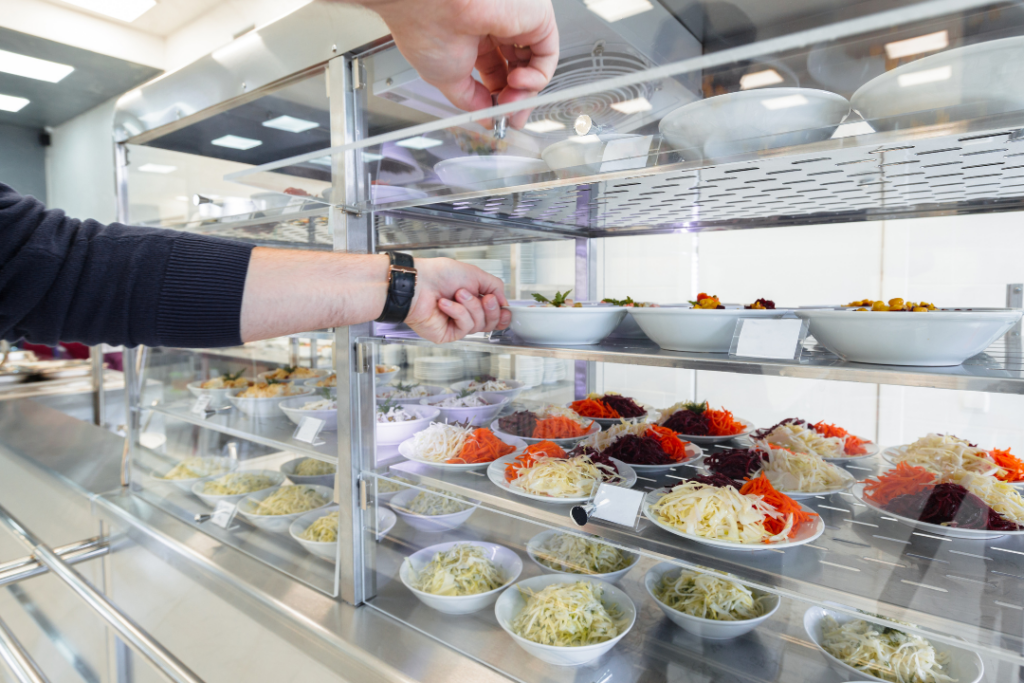
The six-inch rule is applicable to any storage device, be it dry, refrigerated, or frozen. Keeping food raised, even in cold storage, helps keep things clean and allows air to circulate.
Shelves and racks help keep boxes, containers, and ingredients off the floor in dry storage areas. In walk-in refrigerators and freezers, using raised shelves keeps food away from any moisture that could collect on the floor.
Keeping food at the recommended food storage distance from the floor helps protect it in any storage area.
When Packaged Foods May Be Stored Closer to the Floor
Sometimes, packaged foods can be stored a bit closer to the floor if they are sealed and set on pallets. These platforms still keep the products off the ground, even if they are not as high as regular shelves.
The main goal in these cases is to store food safely above the floor to prevent contamination. Try to keep items, especially those used for food preparation, from touching the floor whenever you can.
Shelving, Pallets, and Racks Used for Proper Storage
Shelves, pallets, and storage racks are used in most food facilities and kitchens to ensure that the food is not too close to the floor. These tools make it easier to organize, reach, and lift food off the ground.
Metal shelves are common in commercial kitchens since they are durable and easy to clean. Warehouses and bulk storage areas use pallets to keep large amounts of food off the floor. In refrigerators and freezers, storage racks help keep food at the right height and make the best use of space.
No matter how you store food, the main goal is to keep it clean, safe, and at the right height. Storing food at the recommended distance from the floor is an easy way to help keep it safe.
How Far Above The Floor Should Food Be Stored?
If you have worked in a kitchen, you likely know that food should not be kept on the ground. Most food service businesses recommend keeping food at least six inches above the floor. The correct food distance from the floor helps protect ingredients from contamination.
This is also used to simplify cleaning. It is important in any place where food is touched upon, such as restaurants, commercial kitchens, warehouses, grocery shops, and catering premises. Storing food above the floor helps keep out dirt, moisture, pests, and other contaminants.
Best Storage Heights for Commercial Kitchens and Restaurants
In commercial kitchens and restaurants, keeping food off the floor is an important part of food safety. Most kitchens use shelves that keep food at least six inches above the ground.
When shelves are set at this height, staff can reach ingredients easily and work safely. A sufficient amount of space under the racks ensures that the racks are cleaned regularly. Adhering to the rule would preserve the cleanliness of kitchens, as well as make food preparation and storage safe.
Why Shelving Systems Improve Food Safety
Food is kept off the floor by high shelves. Shelves keep everything organized and off the floor instead of putting boxes or containers on the ground.
Shelves also improve airflow around stored items, which matters in both refrigerators and dry storage rooms. Good shelving makes it easy for staff to see what is available, rotate inventory, and prevent overcrowding.
Shelves make it easier to keep food safe and help storage areas stay organized and efficient.
Recommended Distance From Walls and Other Surfaces
It’s important to keep food off the floor, and it also helps to leave a gap between shelves and the wall. Many food safety guidelines suggest leaving a small gap for this reason.
Leaving extra space helps air move around and makes it easier to clean behind the shelves. It also keeps pests from hiding in corners that are hard to reach, where food is stored. If you store food at the right height, it is easier to keep storage areas clean and in good condition.
Storage Practices That Help Pass Health Inspections
During routine inspections, health inspectors pay close attention to storage areas. They usually check right away to see if any food is stored directly on the floor.
Maintaining the correct food distance from the floor shows that a kitchen is following basic food safety practices. Using proper shelving, keeping storage areas clean, and organizing food correctly can all make a positive impression during inspections.
By following these simple habits, your business can meet health regulations and make sure the food you serve is safe and high-quality.
Why Food Should Never Be Stored Directly on the Floor
It might seem acceptable to place food on the floor when space is tight or during deliveries. Yet, this is a serious mistake in food storage. Floors collect dirt, moisture, and germs from foot traffic and other sources. This makes them one of the least sanitary places in any kitchen or storage area.
Raising food off the floor, even just a few inches, can greatly lower the risk of contamination. It also helps keep the area cleaner and safer. Proper storage of food means protecting items from hazards that are often found at ground level.
Risk of Contamination From Dirt and Bacteria
Floors tend to gather dust, dirt, and bacteria, especially in busy kitchens where there is a lot of movement. Shoes, equipment, wheels, and cleaning tools can spread germs from one place to another.
If food is put directly on the floor, it can easily pick up these germs. Sealed containers can still get dirty on the outside, which can lead to contamination when you handle or open them. To store food safely, keep it off the floor and away from surfaces that could harbor bacteria.
Increased Pest and Rodent Exposure
When food is left on the floor, it becomes easier for pests to find. The rodents, insects, and other pests cross the ground and move close to the walls in search of food.
When food is left on the floor, pests are able to access it more easily. This may lead to pollution, garbage, or health code offenses. Keep food on shelves, racks, or pallets to keep off pests.
Cleaning and Sanitation Challenges
Floors in food storage areas need regular cleaning. When boxes, containers, or food packages sit on the floor, it becomes hard for staff to sweep or mop underneath them.
Keeping food off the floor makes it much easier to clean and sanitize. This simple step also helps you store food safely and keeps kitchens and storage areas cleaner.
Moisture and Cross-Contamination Risks
Floors often become wet because of spills, leaks, or condensation, especially near refrigerators and where food is prepared. Food lying on a wet floor may transmit bacteria that are able to survive in wet conditions.
Keeping it on the floor increases the chances of cross-contamination by cleaning chemicals or spillages. Ingredients should not be kept near hazards or on the floor.
Best Practices for Safe Food Storage in Commercial Kitchens
Food safety in a commercial kitchen involves more than simply cooking food or checking if ingredients are expired. The way you store ingredients is also very important. In addition to keeping food off the ground, kitchens follow several other best practices to keep storage safe and organized.
Here are some of them.
Using Food-Grade Shelving and Pallets
A simple way to keep food stored safely is to use shelves or pallets made for food storage. These shelves automatically keep ingredients elevated. This helps answer the question of how many inches of space food needs to be stored above the ground while organizing items.
Food-grade shelves are made of robust and simple-to-wash substances that do not rust easily. Heavy boxes and bulk items are stored on pallets in larger storage spaces to prevent them from being on the floor.
Shelves and pallets are kept at the suggested distance of six inches off the ground, thus allowing the staff to reach and move products more easily.
Organizing Food by Category to Prevent Cross-Contamination
Keeping food organized is also important for safe storage. Grouping foods by category, like raw meats, dairy, produce, and dry goods, helps prevent cross-contamination.
For example, raw meats should always be kept separate from ready-to-eat foods to lower the risk of spreading bacteria. Shelving systems help by giving each type of ingredient its own space.
Clear labels and set storage areas also help staff find ingredients quickly and keep the kitchen running safely.
Applying FIFO (First-In, First-Out) Storage Systems
Many commercial kitchens use the FIFO method, which means First-In, First-Out. This approach makes sure older ingredients are used before newer ones, helping to prevent food spoilage and waste.
With FIFO, staff place new deliveries behind older stock so the older items are used first. Storing food correctly on shelves also makes it easier to rotate inventory and check expiration dates. This simple system works well with safe storage practices. This includes following the guidelines for how many inches food should be stored above the ground.
Bottom Line
Small details matter in food safety. One of the easiest and most important things you can do is store food at the right height above the floor. Keeping ingredients off the ground helps protect them from dirt, moisture, pests, and other common sources of contamination.
Most food service businesses follow a simple rule: keep food at least six inches above the floor. This makes it easier to clean underneath and keeps food away from dirty surfaces. It’s a basic step for safe food storage in restaurants, kitchens, warehouses, and anywhere food is handled.
Besides keeping food at the right height, use clean shelves, organize ingredients neatly, and check storage areas regularly. These habits help keep food safe, make inspections easier, and keep ingredients fresh and protected.
Proper storage of food is simple. Keeping it off the floor ultimately helps protect its quality and keeps customers safe.
FAQs
How many inches does food need to be stored above the ground?
In most food service settings, store food at least 6 inches above the floor. This keeps it safe from dirt, moisture, and pests, and also makes cleaning simpler. Health inspectors usually look for this storage method.
Why should food not be stored directly on the floor?
Storing food on the floor makes it easy for dirt, bacteria, spills, or pests to contaminate it. It also makes cleaning the area more difficult. Keeping food off the floor helps keep storage safe and protects your ingredients.
Does the 6-inch rule apply to refrigerators and freezers?
Yes, the 6-inch rule applies to dry storage areas, refrigerators, and freezers. Keeping food raised in all storage areas helps keep things clean and makes it easier to clean underneath.
What can be used to keep food off the floor?
Most food businesses use shelving units, storage racks, pallets, or food-grade platforms to keep items off the ground. These tools help store food at the right height and make it easier to keep ingredients organized.
Are there any exceptions to the 6-inch food storage rule?
Sometimes, sealed bulk items are kept on pallets or in special containers that are a bit lower than regular shelves. Still, food is usually not stored directly on the floor.
What happens if food is stored on the floor during a health inspection?
If inspectors see food stored on the floor, it could count as a food safety violation. Businesses might get a warning, a citation, or need to fix the problem to meet food safety rules.