What Is a HACCP Plan for a Restaurant and Why Does It Matter in 2026?
The HACCP plan for restaurant operations establishes a complete system for food safety that detects, assesses, and manages food safety threats. In 2026, it became mandatory for organizations to maintain compliance, customer trust, and operational stability.
HACCP stands for Hazard Analysis and Critical Control Points. The system provides food safety through its preventive method.
A HACCP restaurant system implements an approach that stops food safety issues before they happen, instead of waiting to handle contamination or foodborne illness cases.
Today, regulators require restaurants to maintain documented systems that manage food safety. Customers also expect transparency and safety. A strong HACCP plan protects customers, brand reputation, revenue, and regulatory standing.
What are the 7 Principles of HACCP?
The 7 HACCP principles form the foundation of any HACCP plan template and aren’t just theoretical. They form the backbone of developing a HACCP plan that will integrate the international HACCP food standards and keep you prepared for audits, which means every HACCP restaurant must follow these principles.
Each step builds on the previous one. Together, they create a complete food safety management system.
The following steps are critical to HACCP:
Step 1: How Do You Conduct a Hazard Analysis?
Building a HACCP plan for restaurant safety requires hazard analysis, as it is considered the most important step. It can immediately detect what can go wrong before it happens.
Start by listing all menu items and processes, including:
- Receiving ingredients
- Storage
- Preparation
- Cooking
- Cooling
- Holding
- Serving
Then determine these three categories of hazards:
- Biological Hazards: Contain bacteria that may cause foodborne illness, like Salmonella bacteria and E. coli, viruses, and parasites.
- Chemical Hazards: Include cleaning or pesticides, or unknown allergens.
- Physical Hazards: Are there any foreign substances, such as glass, metal pieces, or plastic, that could accidentally get into food?
The goal of conducting hazard analysis is to determine where contamination could realistically happen and document it clearly within your food safety management system.
Step 2: What Are Critical Control Points (CCPs) in a Restaurant?
Critical Control Points are steps where food safety must be controlled to prevent or eliminate hazards. In a well-designed HACCP restaurant system, CCPs are limited to truly essential stages.
Typical CCPs of restaurants are cooking, cooling, reheating, cold storage, and hot holding.
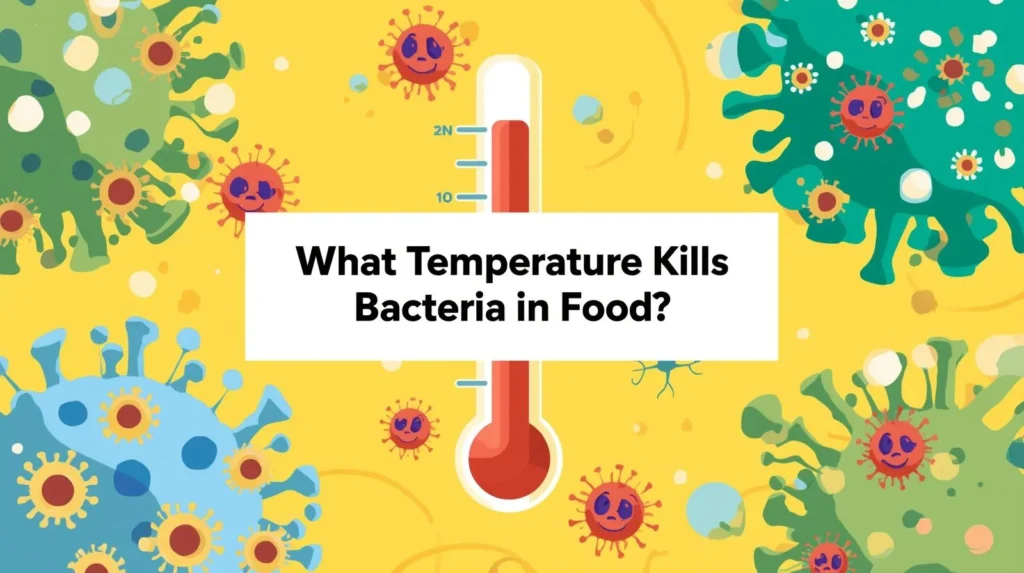
As an illustration, the preparation of poultry to an appropriate internal temperature of safety kills dangerous bacteria. Refrigerators below 41°F decelerate the growth of bacteria. Hot holding keeps temperatures above 140°C, thus preventing pathogen growth.
Not every process step qualifies as a CCP. The steps that need to be identified require direct control loss assessment because they will affect food safety.
Step 3: How Do You Set Critical Limits?
Critical limits define the exact safety boundaries at each Critical Control Point. Every HACCP plan for a restaurant needs to establish measurable limits.
These limits are based on existing regulations and scientific research. Cooking, refrigeration, and cooling must be achieved at specific time and temperature standards.
For example, poultry must reach safe internal temperatures, and cold storage must remain at approved levels. Some processes may also require pH or time monitoring.
Your HACCP plan template requires you to document each limit in a clear manner. The HACCP system at the restaurant requires strict limits that will be used to ensure consistency.
Step 4: How Should You Monitor CCPs?
A HACCP plan of restaurant operations needs real-time monitoring to be effective throughout the day. The best-written plan becomes useless without monitoring because it needs active observation to function properly.
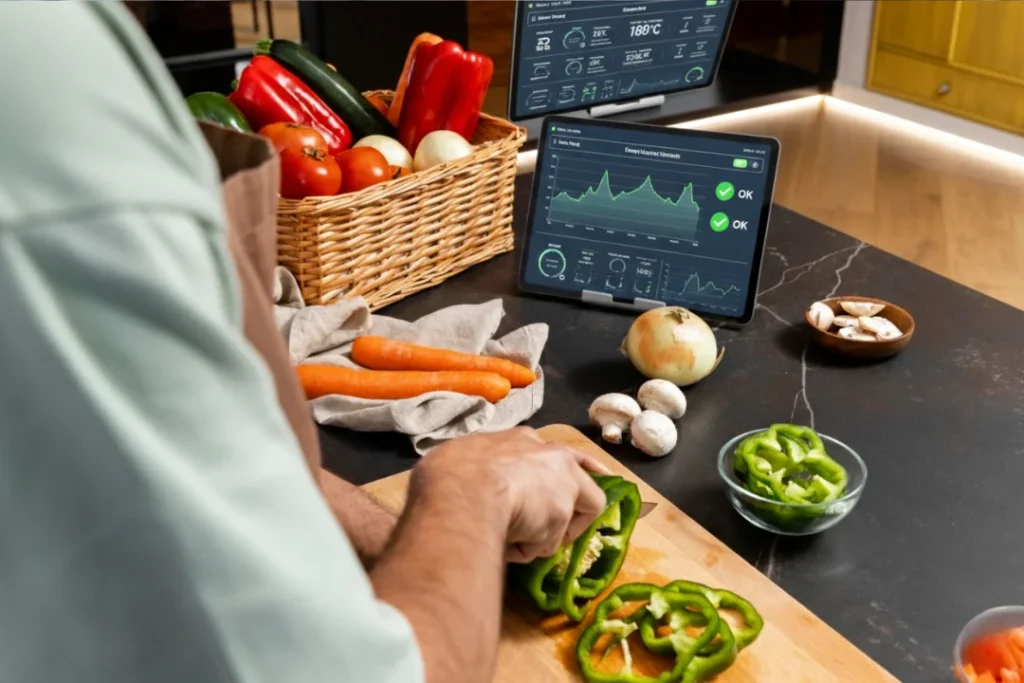
Monitoring can involve checking internal temperatures with calibrated thermometers, recording refrigeration logs, reviewing automated temperature alerts, or completing digital inspection checklists.
The cloud-based systems have been implemented in most restaurants in 2026, and they monitor and record compliance automatically.
To ensure regulatory credibility, it is necessary that monitoring be conducted by trained personnel who record the outcomes immediately.
Step 5: What Are Corrective Actions in HACCP?
Corrective measures are immediate actions taken upon failure to meet a critical limit.
The restaurant has these measures to ensure that the restaurant does not serve harmful food to the customers and at the same time does not end up in violation of the rules.
Whenever a food is undercooked, it is a must to continue cooking until it reaches a safe temperature. Additionally, if refrigeration temperatures exceed their limits, foods that were stored there have to be relocated, and the equipment must be serviced instantly.
Also, the establishment must discard all products that have undergone allergen cross-contact. Every corrective action should resolve the issue, address potentially affected food, and be documented properly in your food safety management system.
Step 6: How Do You Verify Your HPACC Plan is Working?
Verification confirms that your HACCP restaurant system functions as intended. The process operates as a separate assessment that goes beyond routine assessments.
Verification may include assessment of temperature logs, conducting internal audits, calibrating thermometers, performing microbiological testing, or preparing for regulatory inspections.
These activities confirm that your HACCP plan template is being executed with proper accuracy and consistency.
Regular verification creates better compliance and builds confidence in your operations.
Step 7: Why Is Recordkeeping So Important?
Compliance is usually shown through recordkeeping. Without documentation, your HACCP plan may be legally deemed not to have existed. Essential records include:
- Hazard analysis worksheets
- CCP monitoring logs
- Corrective action reports
- Verification reports
- Staff training records
A digital HACCP plan template helps organize these records efficiently.
Why Is Supplier Control Important in a HACCP Plan?
A strong HACCP plan for restaurant operations begins before food enters the kitchen. Supplier control reduces contamination risks at the source.

Restaurants need to confirm that their suppliers follow proper safety certifications and appropriate temperature management. The facility needs to reject all products that are either damaged or stored in an incorrect manner.
Temperature verification and packaging inspection should be included in receiving procedures. Damaged or improperly stored products should be rejected immediately.
The process of monitoring suppliers enables your food safety management system to operate more effectively while reducing the risk of dangerous materials entering your operational processes.
What Does a HACCP Plan Template for Restaurants Include?
The HACCP plan template establishes a structured framework that helps to manage all food safety procedures. It ensures easy operational instructions to complete task execution without missing anything.
Most templates include key elements such as a product description, process flow diagram, hazard analysis, CCP determination, and critical limits. These sections help restaurant workers to manage and monitor potential threats effectively.
They also outline monitoring procedures, corrective actions, verification steps, and recordkeeping requirements. Using a template ensures your HACCP restaurant system will function correctly while all necessary documentation exists.
A well-curved plan template supports your overall food safety system, which helps restaurants to avoid hazards and maintain legal standards while ensuring customer safety on a daily basis.
How Do You Create a HACCP Plan for a Restaurant Step-by-Step?
Developing a HACCP plan for restaurant operations requires teams with expertise in their field to start the project. The team ensures all hazards are properly identified and managed.
Next, describe your menu items, their ingredients, and intended use. The next step requires you to develop a process flow diagram, which will show all steps between receiving and serving.
After mapping processes, conduct a hazard analysis, determine CCPs, and establish critical limits. Set specific monitoring procedures and corrective actions for each CCP.
The organization needs to implement verification steps, and recordkeeping will help them maintain compliance. Following this step-by-step approach ensures your HACCP restaurant system becomes practical, effective, and works with your food safety system.
How Does HACCP Fit Into a Food Safety Management System?
A HACCP restaurant system is part of a larger food safety system. The system connects organizational policies, procedures, training, and compliance. Your food safety management system may also include:
- Good Manufacturing Practices (GMP)
- Sanitation Standard Operating Procedures (SSOP)
- Allergen control programs
- Staff hygiene training
- Supplier verification
HACCP focuses on critical hazards, while the broader system supports overall compliance.
What Are Common Mistakes When Creating a HACCP Plan?
Many restaurants make the mistake of copying a generic haccp plan example without adapting it to their specific menu and operational procedures. Others create complicated systems with too many CCPs, which create difficulties for staff who need to execute their daily work.
Another common issue is poor documentation. Failure to record the food safety procedures creates difficulties during inspection processes, even when the procedures are executed correctly. Lack of staff training also weakens the system, as employees may not fully understand monitoring or corrective procedures.
A strong HACCP plan for restaurant operations must be practical, customized, and consistently applied.
How Often Should a HACCP Plan Be Updated?
A HACCP restaurant system needs to be developed according to your business operations. The implementation of routine updates maintains both the accuracy and compliance of your existing plan.
Review your haccp plan template at least once a year. The document needs to be updated whenever you make changes to menu items, equipment, or suppliers.
The process of running operations introduces different types of risks. The analysis of hazards needs to be updated whenever there are any changes to the recipe even if they seem minor.
Your HACCP plan needs to be reviewed regularly so that it stays ready for restaurant compliance inspections.
How Is HACCP Changing in 2026?
The implementation of HACCP restaurant management systems will start to undergo digital transformation in 2026. Real-time dashboards, automated sensors, and cloud-based documentation make monitoring and recordkeeping functions easier.
Mobile inspection tools can be used to gather data on-site by staff members. This minimizes time wastage and enhances productivity. The tools also assist in ensuring that the HACCP plan template is constantly used.
Digital systems provide verification, audit, and compliance-reporting tools that ensure your food-safety management system stays up to date with regulations.
With the help of technology, restaurants will be able to anticipate hazards, enhance the transparency of their operations, and gain their trust. This is why HACCP is more topical than ever.
How Does Digital Technology Improve HACCP Compliance?
Technology is transforming how restaurants manage HACCP in 2026. Digital systems simplify monitoring and documentation.
Cloud-based platforms are enabled to store logs securely and reduce paperwork errors. The system generates immediate alerts that inform managers about approaching unsafe levels.
Mobile tools allow staff to record data instantly. The system generates immediate alerts that inform managers about accountability and track their activities during inspections.
The implementation of digital systems into your HACCP restaurant process will improve your overall management system capabilities.
What is the Management role in the success of HACCP?
The effectiveness of the HACCP plan depends on the commitment of the management. The leaders set the rules of compliance and accountability.
Monitoring logs are reviewed by the managers, and they ensure that corrective measures are taken. Monitoring ensures that there is consistency in the processes undertaken.
Effective communication leads to the creation of a food safety culture. Strong leadership changes your haccp plan example from a document into daily practice.
Conclusion: Why Every Restaurant Needs a Strong HACCP Plan in 2026
An organized HACCP plan helps the business meet legal compliance while earning the customers’ trust. The system changes food safety procedures from solving existing problems to protecting against potential dangers.
Restaurants can reduce risk, improve inspections, and operate confidently in 2026 by implementing their complete food safety management system through structured HACCP plans built on 7 principles.
Food-safety inspection is not just a routine. It wins over guests, keeps costs down by avoiding recalls, and keeps operations steady.
Having the desire to enhance the work of HACCP and protect the customers? Digital HACCP tools can be explored, a plan can be customized, or a proven template can be downloaded to get started today and take the restaurant’s food safety to the next level.
FAQs
What is a HACCP plan for a restaurant?
A HACCP plan of restaurant operation is a written food safety system to recognize and manage hazards to avoid foodborne illness and contamination.
Is HACCP mandatory for restaurants?
In many places, food safety rules require people to follow the HACCP principles. Regulators desire a similar management system even in cases where it is not necessary.
How often should a HACCP plan be reviewed?
The HACCP plan must be checked at least once every year or when the menu is changed, as well as when the equipment or new rules are introduced.
Can I use a generic HACCP plan template?
A HACCP plan template is a great place to start, but you’ll need to change it to fit your menu, equipment, and processes.
What is the difference between HACCP and a food safety management system?
HACCP is more concerned with the management of hazards at core points, whereas a food safety management system has more extended operational policies and compliance procedures.