Food hygiene is the everyday practices that keep food safe to eat by preventing contamination, especially from harmful germs. In 2026, it matters more than ever because customers expect safe food, regulators enforce standards, and one mistake can damage trust fast.
This guide explains the food hygiene definition, the importance of food hygiene, the link between food safety and hygiene, the types of food hygiene, and exactly how to maintain food hygiene in real kitchens and food businesses.
What is food hygiene (in simple terms)?
Food hygiene means the clean and safe way you handle, prepare, cook, store, and serve food to prevent foodborne illness. It focuses heavily on controlling “germs” like bacteria and viruses, plus stopping spoilage.
In everyday practice, food hygiene is about:
- Keeping hands, tools, and surfaces clean
- Keeping raw and ready-to-eat foods separated
- Cooking food thoroughly
- Cooling and storing food at safe temperatures
- Preventing pests, dirt, and unsafe water from reaching food
What is the food hygiene definition for food businesses?
Food hygiene definition: the set of routines and rules a food business uses to prevent contamination and keep food safe during handling, preparation, storage, and service.
Food hygiene is not a “nice to have.” It is a minimum standard for any place that sells or serves food, including:
- Restaurants and cafés
- Catering operations
- Bakeries and food stalls
- Cloud kitchens
- Food factories and central kitchens
- Retail and supermarket deli counters
What is food safety and hygiene, and are they the same thing?
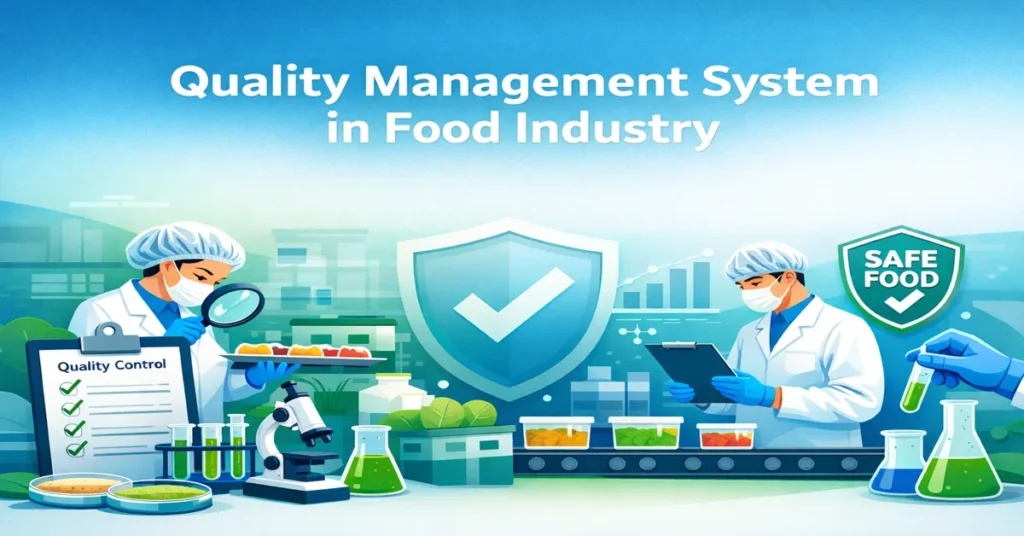
Food hygiene is part of food safety, but they are not identical. Food safety and hygiene work together, but food safety is broader.
Think of it like this:
- Food safety = the full system that controls all hazards (biological, chemical, physical, and allergens).
- Food hygiene = the cleanliness and handling practices that mainly target biological hazards (germs) and reduce the chance of cross-contamination.
So, when people ask “what is food safety and hygiene?”, the simplest answer is:
- Food safety is the overall plan.
- Food hygiene is a big part of how you carry out that plan day to day.
Why is the importance of food hygiene so high in 2026?
Good food hygiene prevents illness, protects your brand, and keeps your operation running smoothly. The importance of food hygiene is not just about avoiding trouble. It also supports quality, consistency, and customer loyalty.
Here are the biggest reasons it matters:
1) How does food hygiene protect customers?
Food hygiene reduces the risk of food poisoning by limiting contamination from:
- Hands
- Raw ingredients
- Dirty equipment
- Unsafe water
- Pests
- Incorrect storage temperatures
Even a small lapse, like using the same tongs for raw and cooked foods, can spread harmful bacteria.
2) How does food hygiene protect your reputation?
Customers remember a bad experience. One complaint, one photo, or one review can spread quickly.
Strong hygiene practices help you:
- Build trust
- Reduce negative reviews
- Avoid public incidents
3) How does food hygiene reduce waste and cost?
Poor hygiene often leads to:
- Spoiled food
- Thrown-away batches
- Product recalls
- Extra labor for rework and deep cleaning
Good hygiene supports better margins, especially with rising ingredient costs.
4) How does food hygiene support compliance?
Food businesses are expected to follow local food regulations and inspection requirements. Even if rules vary by country, the basics are the same: safe handling, clean premises, and documented controls.
What are the main hazards food hygiene tries to prevent?
Food hygiene mostly targets hazards that make people sick or contaminate food. These hazards show up in busy kitchens because food is handled often, moved around, and exposed to surfaces.
Biological hazards (germs)
These include:
- Bacteria (like Salmonella and E. coli)
- Viruses (like norovirus)
- Parasites (in some foods and water sources)
- Mold growth (spoilage and toxins in some cases)
Physical hazards
These are “foreign objects” in food, such as:
- Hair
- Plastic pieces
- Metal fragments
- Broken glass
Chemical hazards
Examples include:
- Cleaning chemicals stored near ingredients
- Pesticide residues (if produce is not handled properly)
- Misused food additives
Allergen hazards
Allergens can cause serious reactions. Common risks include:
- Cross-contact from shared fryers, utensils, or prep areas
- Incorrect labeling
- Staff not knowing ingredients
Even though allergens are often managed under “food safety,” they are closely linked to daily hygiene routines.
What are the types of food hygiene?
Food hygiene can be grouped into practical categories. These types of food hygiene help teams understand what to focus on during service.
1) Personal hygiene
This covers what staff do to keep themselves clean and avoid spreading illness.
Key examples:
- Correct handwashing
- Clean uniforms and aprons
- Hair restraints
- Covering cuts with waterproof dressings
- Not working while sick (especially vomiting or diarrhea)
2) Kitchen hygiene (premises hygiene)
This is the cleanliness and condition of the kitchen and equipment:
- Clean surfaces and utensils
- Proper waste disposal
- Pest prevention
- Safe water supply
- Maintenance (no broken tiles, leaks, rust, or mold)
3) Food handling hygiene
This is how food is received, stored, prepared, cooked, and served:
- Safe storage temperatures
- Preventing cross-contamination
- Cooking thoroughly
- Time control (not leaving food in the danger zone)
4) Cleaning and sanitation systems
This is the structured approach:
- Cleaning schedules
- Correct chemicals and dilution
- Sanitizing food-contact surfaces
- Verification (checking tasks were done)
5) Documentation and training hygiene (management hygiene)
This is the “system” side:
- Staff training records
- Cleaning logs
- Temperature logs
- Supplier checks
- Incident reports and corrective actions
What are the key principles of food hygiene (the practical rules)?
If you want a simple framework for daily operations, focus on these principles. Use them as a checklist during prep, service, and closing.
1) How do you keep everything clean?
Clean first, then sanitize where needed, especially on food-contact surfaces.
What “clean” includes:
- Removing visible dirt and grease
- Washing with hot water and detergent
- Rinsing properly
- Sanitizing food-contact areas to reduce germs
2) How do you prevent cross-contamination?
Cross-contamination happens when germs move from one place to another, often from raw to ready-to-eat foods.
High-risk moments:
- Shared chopping boards
- Shared knives
- Touching raw chicken then touching salad
- Using the same cloth on raw and cooked stations
3) How do you control temperature safely?
Temperature control is a core part of both food safety and hygiene.
You need to:
- Keep cold food cold
- Keep hot food hot
- Cook to safe internal temperatures
- Cool food fast and store correctly
4) How do you handle food safely during storage and transport?
Food can become unsafe during delivery, receiving, or storage.
Basic rules:
- Check deliveries quickly
- Store foods immediately
- Keep raw foods separated and covered
- Label items (name, date, use-by)
5) How do you train staff so hygiene actually happens?
Hygiene fails when teams do not understand “why,” or when the process is too hard during rush hours.
Training works best when it includes:
- Clear routines
- Simple checklists
- Short refreshers
- A culture where staff speak up early
How to maintain food hygiene in a real kitchen (step-by-step)
To maintain food hygiene, you need daily habits that still work when the kitchen is busy. These steps are practical and easy to assign.
Step 1: What’s the correct way to wash hands?
Handwashing is one of the strongest controls you have. Do it:
- Before starting work
- After handling raw meat, seafood, or eggs
- After touching bins, phones, money, or cleaning tools
- After using the toilet
- After coughing, sneezing, or touching your face
A simple handwashing method:
- Wet hands with running water
- Apply soap
- Scrub palms, backs of hands, between fingers, thumbs, and under nails
- Scrub for at least 20 seconds
- Rinse well
- Dry with a single-use towel
- Use the towel to turn off the tap if needed
Step 2: How do you set up stations to prevent cross-contamination?
Set your kitchen workflow so food moves forward in one direction:
Good setup includes:
- Separate raw and ready-to-eat prep zones
- Color-coded chopping boards
- Separate utensils for allergens if needed
- Dedicated containers with lids
Step 3: What are safe storage habits that reduce risk fast?
Use a simple storage order and labeling system.
Basic rules:
- Raw meats stored below ready-to-eat foods
- Foods covered and labeled
- “First in, first out” rotation (FIFO)
- Fridges not overloaded (air must circulate)
Step 4: How do you manage the temperature danger zone?
The “danger zone” is the range where bacteria can grow quickly. Your goal is to keep food out of that range as much as possible.
Good habits:
- Do not leave cooked food at room temp too long
- Cool cooked food quickly before refrigeration
- Reheat thoroughly and serve hot
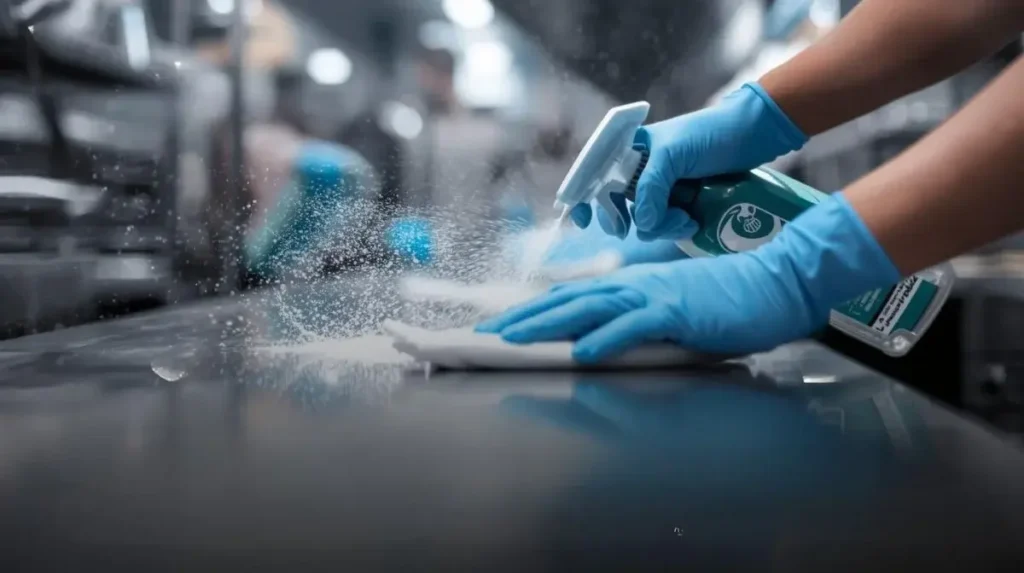
Step 5: How do you clean and sanitize properly (without wasting time)?
Cleaning is easier when it is scheduled and assigned.
A simple routine:
- “Clean as you go” during service
- Quick wipe-downs between tasks
- Proper end-of-day cleaning and sanitation
- Weekly deep-clean tasks (vents, drains, behind equipment)
Use the right tools:
- Food-safe sanitizers
- Labeled spray bottles
- Separate cloths for raw zones
- Disposable towels where necessary
Step 6: How do you manage waste and pests?
Waste attracts pests and spreads germs.
Important habits:
- Use bins that have lids.
- Keep areas where trash goes clean and dry.
- Don’t leave food scraps out overnight.
- Seal up cracks and fix leaks because bugs love water.
- Take out the trash often, especially the raw waste.
Food hygiene and sanitation: what’s the difference?
Food hygiene and sanitation are closely related, but not the same.
- Food hygiene is the overall behavior and practices that keep food safe.
- Sanitation is the specific process of reducing germs to safe levels, often after cleaning.
A simple way to remember it:
- Cleaning removes dirt.
- Sanitizing reduces germs.
- Hygiene is the routine that ensures both happen at the right time.
What does good food hygiene look like across the food process?
Good food hygiene is easiest to follow when you think in stages. Each stage has a few “must-do” actions that stop contamination and keep food safe. If you train staff around these stages, the rules feel more practical and less overwhelming.
1) Receiving (deliveries and suppliers)
Safe food starts at the door. Check that chilled and frozen items arrive at the right temperature and that packaging is intact. Reject products with damaged seals, unusual smells, or signs of thawing and refreezing. Keep raw meats separate from ready-to-eat foods during unpacking.
2) Storage (freezer, fridge, dry store)
Put food in the right space and in the correct order. Put raw meat and seafood on the bottom shelves to stop drips. Put a label and date on things so that the oldest ones are used first. Don’t fill your fridge too full because cold air needs room to move around.
3) Getting ready (cutting, mixing, and portioning)
Most of the time, cross-contamination happens during prep. Use different boards and utensils for food that is raw and food that is ready to eat. After using your phone, touching a bin, or handling cash, wash your hands. When you’re not using them, keep the ingredients covered, and clean up spills right away.
What daily food hygiene checks should every team use?
Daily checks keep standards consistent, even with staff changes and busy shifts.
Here is a practical daily checklist you can copy.
Opening checks (before service)
- [ ] Handwashing sink stocked (soap, towels)
- [ ] Staff wearing clean uniforms and hair restraints
- [ ] Fridge and freezer temperatures checked and logged
- [ ] Work surfaces cleaned and sanitized
- [ ] Raw and ready-to-eat foods stored correctly
- [ ] Allergen ingredients stored and labeled clearly
- [ ] Pest signs checked (droppings, gnaw marks, insects)
During service (high-risk moments)
- [ ] Separate tools for raw and cooked foods
- [ ] Gloves changed correctly (not used as “forever hands”)
- [ ] Food kept covered where possible
- [ ] Spills cleaned immediately
- [ ] Sanitizer buckets or sprays used correctly on food-contact areas
Closing checks (after service)
- [ ] Food cooled safely and stored properly
- [ ] Leftovers labeled with date and time
- [ ] Surfaces, boards, knives, and machines cleaned and sanitized
- [ ] Floors and drains cleaned
- [ ] Bins emptied and bin area cleaned
- [ ] Delivery and storage areas tidied
Quick reference table: food hygiene risks and controls
What are the most common food hygiene mistakes (and how to fix them)?
These mistakes are common because they happen during rush hours and shift changes.
Mistake 1: “We wiped it, so it’s clean.”
A quick wipe is not the same as cleaning and sanitizing.
Fix:
- Train staff on clean vs sanitize.
- Use a clear chemical routine and contact time.
Mistake 2: Same gloves used for everything
Gloves can spread contamination like hands.
Fix:
- Gloves must be changed as often as hands should be washed.
- Handwashing still matters.
Mistake 3: Cooling food too slowly
Slow cooling keeps food in the danger zone longer.
Fix:
- Portion food into shallow containers.
- Use ice baths for sauces.
- Leave space in the fridge for airflow.
Mistake 4: Raw and ready-to-eat foods share tools
This is one of the fastest routes to food poisoning.
Fix:
- Color-coded boards and knives.
- A strict “raw-only” tool set.
Mistake 5: Staff work while sick
This can cause outbreaks, especially with viruses.
Fix:
- Clear sick policy.
- Encourage reporting symptoms early.
- Reassign tasks away from food handling.
What should food hygiene training include in 2026?
Good training is short, practical, and repeated. It should not rely on one long session that staff forget.
A useful training plan covers:
- The basics of contamination and routes of spread
- Handwashing and personal hygiene rules
- Cross-contamination prevention
- Temperature control and safe cooking
- Cleaning and sanitation steps
- Allergen awareness and cross-contact prevention
- What to do if something goes wrong (corrective actions)
For busy teams, use:
- Quick 5-minute refreshers
- Posters near sinks and prep stations
- Checklists that match the kitchen layout
What should you remember about food hygiene?
Food hygiene is a daily discipline, not a one-time checklist. If you keep hands clean, separate raw and ready-to-eat foods, control temperatures, and clean and sanitize consistently, you will prevent most common food safety problems.
Food hygiene is simple, but it must be consistent. That is what protects customers and keeps your business strong.
FAQ: Food Hygiene
What is food hygiene?
Food hygiene is the set of clean and safe practices used to handle, prepare, cook, store, and serve food to prevent contamination and foodborne illness.
What is the food hygiene definition?
The food hygiene definition is the routine practices and rules that protect customers from foodborne illness by keeping food handling, preparation, and storage clean and controlled.
What is food safety and hygiene?
Food safety and hygiene refers to the system (food safety) and the daily practices (food hygiene) used together to control hazards and keep food safe to eat.
Why is the importance of food hygiene so critical?
The importance of food hygiene is critical because it helps prevent food poisoning, protects public health, reduces waste, supports compliance, and keeps customer trust.
What is food hygiene and sanitation?
Food hygiene and sanitation are related. Hygiene is the overall safe behavior and handling practices, while sanitation is the step that reduces germs on clean surfaces to safer levels.
What are the types of food hygiene?
Types of food hygiene include personal hygiene, kitchen and equipment hygiene, safe food handling hygiene, cleaning and sanitation systems, and documentation and training controls.
How to maintain food hygiene in a food business?
To maintain food hygiene, focus on handwashing, separating raw and ready-to-eat foods, cooking thoroughly, controlling temperatures, cleaning and sanitizing correctly, and using daily checklists.
What is the biggest cause of poor food hygiene?
The biggest cause is usually inconsistent routines under pressure, especially poor handwashing, cross-contamination, and weak cleaning systems during busy service periods.
How can I prevent cross-contamination?
Prevent cross-contamination by separating raw and cooked foods, using separate boards and utensils, sanitizing surfaces, and washing hands between tasks.
Do gloves replace handwashing?
No. Gloves can spread germs the same way hands do. Handwashing is still required, and gloves must be changed often.