In today’s world, regulations affect nearly every part of business, and SOX compliance is no stranger. It is the authority on ensuring financial accuracy, transparency, and trust.
SOX compliance stems from the Sarbanes-Oxley Act. These rules require organizations to create, document, and test internal controls for accurate financial disclosures. As companies grow, SOX audits have also become an ongoing challenge.
At present, SOX compliance is more than just a finance issue. It requires close collaboration between IT, risk management, and internal audit teams.
With stricter regulations and shorter cycles, many organizations find manual SOX compliance methods insufficient. Meanwhile, automating SOX audits supports consistency, reduces errors, and ensures year-round audit readiness.
Using best audit management software, organizations can simplify control testing and handle SOX compliance more efficiently as they grow.
This blog provides a concise description of SOX compliance audits, how audit-management software will aid in ensuring continued compliance, and gives you an invitation to make a change in the way you audit.
Understanding SOX Compliance Audits
Let’s start with the big questions: What is SOX compliance? What does SOX mean?
SOX refers to Sarbanes Oxley. The compliance surrounding this name simply means an organization’s adherence to the Sarbanes-Oxley Act. This is a regulation designed to empower corporate governance, improve financial transparency, and reduce the risk of financial fraud.
SOX compliance audits examine whether a company has set up, documented, and maintained its internal controls over financial reporting (ICFR). Internal audit teams usually conduct these audits, and external auditors review them to ensure the controls work effectively.
To ensure this, the regulatory body uses a checklist. An SOX compliance checklist is utilized during audits to ensure that all controls, documentation, and testing procedures are applied across all systems. As a result, organizations can show compliance while also maintaining clear audit trails.
Key Objectives of SOX Section 404 Audits
SOX Section 404 is a key part of compliance audits.
It closely monitors internal controls over financial reporting. The main goal is to ensure that management establishes strong controls and maintains their effectiveness. The audit will also ensure that financial statements are proper and free of any significant mistakes.
The audit will also ensure that financial statements are proper and free of any significant mistakes.
Section 404 audits involve management reviews and independent auditors’ check,s and therefore, controls and documentation should be trustworthy.
To achieve these goals more efficiently, many organizations use SOX compliance automation. This approach makes control testing more consistent, reduces manual work, and helps maintain audit readiness throughout the year.
Internal Controls and Financial Reporting Requirements
In order to achieve effective Sarbanes Oxley SOX compliance, internal controls on financial reporting processes need to be strong. This involves:
- Revenue recognition
- Account reconciliations
- Access management
- Change management
Controls must be clearly documented, regularly tested, and backed by reliable evidence. As organizations grow, manual tracking becomes harder. However, SOX compliance automation ensures consistency, accuracy, and traceability.
Challenges of Manual SOX Compliance Audits
Manual SOX audits continue to pose a problem to many organizations, particularly with more complex regulations and reporting requirements. Conventional approaches can meet the fundamental needs, yet can easily fall behind in terms of adapting to the evolving needs.
Audit teams are faced with inefficiencies, poor visibility, and increased risks when auditing without a centralized SOX compliance tool.
What Is Audit Management Software?
Audit management software is a main tool that helps you plan, perform, document, and report audit activities. It offers clear workflows for tasks such as:
- Risk assessments
- Control documentation
- Collecting evidence
- Testing
- Fixing issues
The software keeps audit processes consistent and creates reliable audit trails. It is a tool that enables organizations to control intricate audits and remain up to date with the regulations. In the case of Sarbanes-Oxley, it manages controls, delegates tasks, and monitors the progress effectively.
The SOX Compliance and the role of Audit Management Software.
Fundamentally, the audit-management software eases compliance with the SOX Act by automating tests of controls, documentation, and review.
This makes these processes more efficient. It helps organizations connect controls to SOX requirements, monitor audit progress, and store all evidence in a single location.
Automated workflows help companies cut down on manual follow-ups and make it easier for control owners to stay on track. This way, audits are accurate and completed on time. When companies stay organized, they are ready for audits at any time, not just when a deadline is near.
Key Differences Between Manual Audits and Automated SOX Audits
Manual SOX audits usually depend on spreadsheets, emails, and various other tools. This setup can lead to inefficiencies, errors, and less transparency.
Automated SOX audits use audit management software to keep testing methods consistent. The software collects standardized evidence and builds thorough audit trails. Automating SOX compliance helps organizations finish audits faster, improve data accuracy, and meet requirements with less work.
Role of Audit Management Software in Automating SOX Audits
Essentially, this software streamlines SOX compliance requirements by automating and centralizing tasks typically performed by hand. The following sections will go into more detail about how it works.
Centralized Control Documentation and Risk Assessment
This software brings SOX control audits, risk assessments, and related processes together in one place. Keeping all documentation in a central location helps make sure control descriptions, ownership, and risk ratings stay consistent. It also makes it easier for internal teams and external auditors to work together. Plus, it cuts down on duplicate work and helps improve the quality of SOX audits.
Automated Control Testing and Workflow Management
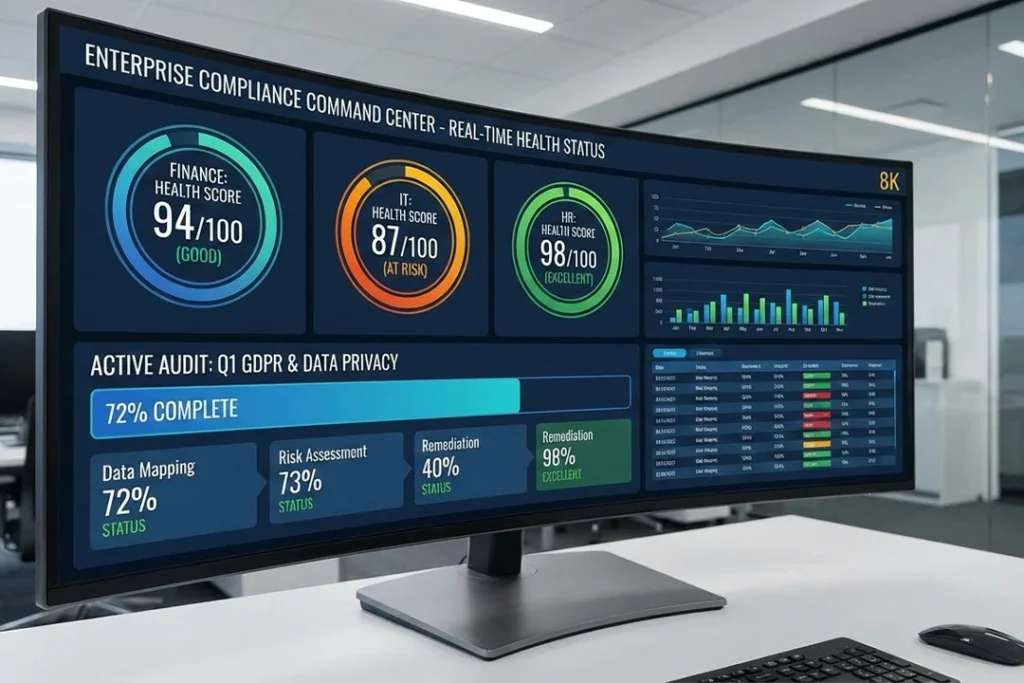
Automation is revolutionary. Today, automated workflows make SOX control audits more consistent and easier to review. It assigns testing tasks, makes sure approvals happen, and tracks progress in real time. This means less manual follow-up and more reliable, efficient audits.
Real-Time Tracking of SOX Audit Status and Findings
A key benefit of automation is that it allows teams to see audit progress as it happens. Audit management software lets teams track the status of controls, testing results, and open findings. This clear view helps audit leaders spot bottlenecks early and keep SOX compliance audits moving forward.
Acting quickly helps teams address problems right away, rather than waiting until the end.
Integrated Issue Management and Remediation Tracking
This software helps teams spot issues and track how they are fixed during audits. If a problem comes up in SOX audits, teams can assign tasks, follow progress, and keep records with the software. This process strengthens internal controls and lowers the risk of the same problems happening again.
Key Features Supporting SOX Compliance Automation
Compliance automation has been known to reduce manual work and improve control assurance. It is only one part of the audit management software. With more automation tools, organizations can shift from manual reviews to a more organized and automated approach to SOX compliance.
Below are some of its essential features that make all of the above possible.
Automated Evidence Collection and Storage
Evidence collection in this platform is fully automated. Control owners can upload, link, or create supporting documents right in the audit system. The evidence is stored securely in one place and connected to the relevant controls and testing activities.
This approach gets rid of scattered files and emails, making it easier to find evidence during internal reviews and external audits.
Standardized SOX Control Libraries and Templates
A huge advantage of this software is the standardized control libraries and templates.
These tools make it easier for organizations to define and document controls in a consistent way across different processes and units. Libraries usually follow common SOX frameworks and best practices, which help reduce confusion in control design and testing. Predefined templates also speed up audit setup and help keep audits consistent from one cycle to the next.
Role-Based Access Controls and Approval Workflows
Essentially, role-based access controls ensure users only see the information they need for their jobs. Adding approval workflows keeps responsibilities clear and makes sure reviews and sign-offs happen properly. This accountability improves audit governance and reduces the risk of unauthorized changes to documents or evidence.
Continuous Monitoring and Audit Trail Generation
Continuous monitoring allows organizations to track and control performance and audit activities as they happen. Automated audit trails record every action, change, and approval in the system, creating a complete, time-stamped record.
These records increase transparency, support compliance, and make it easier for regulators and external auditors to review activities.
Benefits of Automating SOX Compliance Audits
Switching from manual tasks to technology-driven workflows makes each audit cycle more consistent and reliable. But there’s more to it than that. Here are other benefits of automating SOX compliance audits:
Improved Audit Accuracy and Consistency
Firstly, you can see a significant improvement in the audit process.
Through automation, companies are assisted in making control documentation, testing, and evidence collection more consistent. If teams reduce inconsistencies from manual work or varying testing methods, audits become more accurate.
No matter which team completed the work or when, everyone can trust the results.
Reduced Audit Cycle Time and Operational Costs
Secondly, you save time.
Automated workflows organize task assignments, approvals, and follow-ups, so SOX audits finish faster. When companies reduce manual coordination and rework, they can cut audit labor costs. This gives teams more time to focus on key risk and assurance tasks.
Enhanced Transparency for Management and Auditors
Thirdly, it helps everyone see what’s going on.
Automation lets you see real-time updates on audit progress, control status, and any open issues. Managers and auditors can track findings, review evidence, and follow remediation efforts without waiting for manual updates. This level of transparency helps teams work together and make better decisions.
Stronger Compliance Posture and Risk Mitigation
Finally, you have a reliable system that supports compliance and helps prevent risks.
Automated audits include monitoring on a continuous basis, comprehensive audit trails and quick solution of problems, ensuring that the organizations are compliant throughout the year. This is a proactive way, much more effective than waiting till audit deadlines, which still is a practice of many companies.
As a result, the method enhances internal controls, reduces regulatory risk, and assists organizations in keeping up with compliance requirements.

Conclusion
The article greatly explains that compliance with SOX is critical to establishing trust in financial reporting. This significance increases with the expanding complexity and regulation of an environment.
SOX started as a control mandate, and currently, both the finance and internal audit departments are accountable. With the complexity of auditing, preparation to review annual records is increasingly becoming a challenge since a lot of it is manual and fragmented.
Audit management software helps organizations manage SOX compliance by adding structure, visibility, and automation. It makes control documentation, testing, and oversight more consistent and efficient. This shift allows companies to move from occasional audits to a more reliable and scalable process. Automating SOX audits also strengthens internal controls, lowers compliance risk, and helps organizations keep up with changing regulations.
In this way, it turns tedious manual tasks into effective and efficient achievements.
FAQs
1. What is SOX compliance?
SOX compliance means a company follows the Sarbanes-Oxley Act by setting up, recording, and keeping strong controls over financial reporting. This is to make sure information is accurate and clear.
2. Who is responsible for SOX compliance within an organization?
SOX compliance is a team effort that includes finance, internal audit, IT, risk management, and executive leaders. Finance teams usually take the lead, but working together across departments is key to keeping controls effective.
3. What are SOX compliance audits?
SOX compliance audits check if internal controls for financial reporting are well-designed and work as they should. These audits usually involve management testing and reviews by independent auditors, focusing on the controls required by SOX Section 404.
4. Why are manual SOX audits challenging for growing organizations?
Manual SOX audits often use spreadsheets, emails, and separate tools. This makes the process slow and increases the chance of mistakes. As companies grow, it becomes harder to see what is happening, audits take longer, and control testing can become inconsistent.
5. How does audit management software support SOX compliance?
Audit management software brings all your control documents together, automates testing steps, and keeps detailed audit records. This makes audits more efficient, improves consistency, and helps your organization stay ready for audits all year.
6. Can SOX compliance be managed continuously instead of annually?
Yes. By using automation and continuous monitoring, organizations can move from occasional audits to ongoing SOX compliance. This helps them find issues sooner, fix problems faster, and improve control assurance overall.