
Maintaining employee workplace safety isn’t just about ticking boxes to keep the regulators happy. It’s about building a culture where people look out for one another. When we talk about safety rules, we’re talking about the invisible net that catches us when things go wrong. Whether you’re a veteran on the shop floor or a new manager, these rules are the foundation of a day that ends as safely as it started.
At Jadian, we’ve seen how the right approach can turn a dangerous job into a streamlined, secure operation. Let’s dive into the ten essentials every workplace needs to master.
10 Essential Rules for Workplace Safety
Here are the top 10 things to remember to ensure a safe workplace. Learn more about it here.
1. Conduct Rigorous Risk Assessments and Safety Procedures
You can’t fix what you don’t see. A risk assessment is simply a way of saying, “Look around and spot the trouble before it spots you.” It’s the first step in any set of safety procedures. If you aren’t regularly walking the floor with a critical eye, you’re just waiting for an accident to happen.
Today, Jadian lets you do this on your phone. You see a frayed wire? Take a photo, tag it, and it’s logged. It’s about making the “see something, say something” mantra actually work in practice. You aren’t just filing a report; you’re starting a fix.
Using the Hierarchy of Controls
When you do find a problem, you need a plan to handle it. Safety pros use something called the “Hierarchy of Controls”. Think of it as a ranking system for your solutions, from most effective to least effective.
Here is how you should think through your safety precautions when a hazard pops up in Jadian:
- Elimination: Get rid of the danger. If a machine is too old and dangerous, the best move may be to stop using it entirely. This is the gold standard because if the hazard isn’t there, nobody can get hurt.
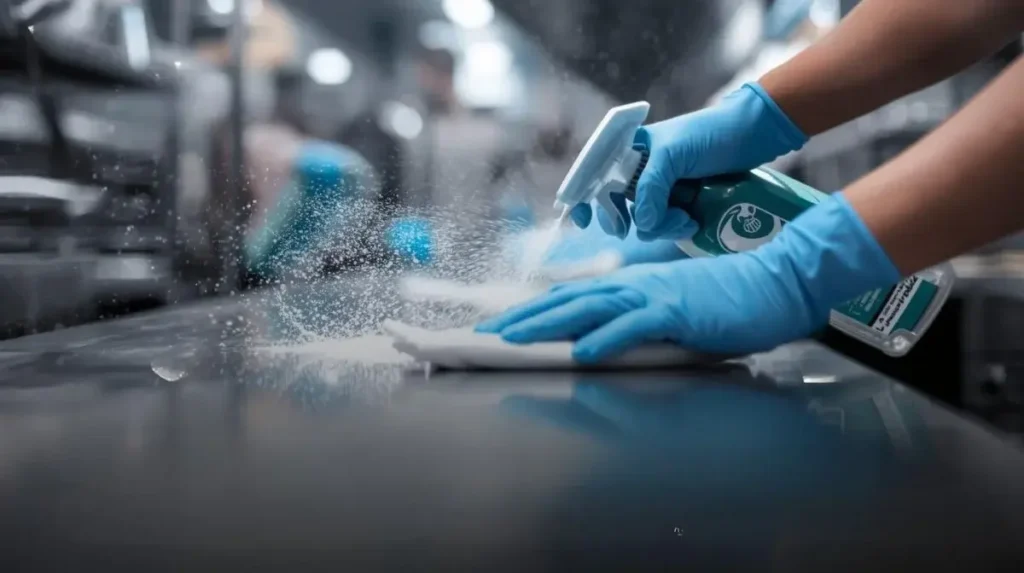
- Substitution: If we can’t ditch it, can we swap it? Think about replacing a harsh, toxic cleaning chemical with a safer, water-based one. You’re still getting the job done, but the risk is much lower.
- Engineering Controls: If the hazard has to stay, can we build a “fence” around it? This means things like installing guards on saws or improving ventilation. You’re physically separating the worker from the danger.
- Administrative Controls: This is about changing how people work. It includes things like better training, updated safety rules, or rotating shifts so nobody gets too tired to stay sharp.
- PPE: This is your last resort. If you can’t eliminate, swap, or block the hazard, you give the worker protection. Hard hats and goggles are vital, but they’re at the bottom of the list because they don’t actually remove the danger—they just try to soften the blow.
Don’t just do these assessments once a year. The best teams do a mini-assessment every morning. It takes five minutes but saves weeks of headache later. When you make these checks a habit, they stop being a chore and start being a shield.
2. Enforce PPE Standards and Safety Rules in a Workshop
We’ve all heard the excuses: “It’s too hot for the vest,” or “I’m only doing one quick cut, I don’t need goggles.” But safety rules in a workshop exist because accidents don’t give warnings. Personal Protective Equipment (PPE) is your last line of defense. When everything else fails, that helmet or those gloves are what stand between you and a hospital visit.
What are some safety precautions you can take with your gear? First, make sure it actually fits. Ill-fitting PPE is almost as bad as no PPE at all. If a harness is too loose or a mask doesn’t seal, it’s not doing its job.
Jadian helps out here by keeping track of the gear itself. Think of it like a digital inventory that knows when your equipment is reaching the end of its lifespan. We help you stay on top of inspections so you aren’t handing out faulty gear to your team. It’s about peace of mind for both the worker and the manager.
Your Mandatory PPE Checklist
Before you or your team step onto the floor, you should run through a quick manual or digital checklist. The best option is to use Jadian to log these checks ensures that “forgotten” gear doesn’t become a liability. Here is what you should be looking for:
- Head Protection: Is the hard hat free of cracks or dents? Even a small hairline fracture can ruin the helmet’s ability to absorb an impact. Also, check the suspension straps inside; if they’re frayed, the hat won’t sit right.
- Eye and Face Protection: Are your safety glasses scratched? Scratches cause glare and eye strain, which leads to fatigue. If you’re working with chemicals, make sure you’ve got splash-proof goggles rather than just standard impact glasses.
- Hearing Protection: Are your earplugs clean, or is your earmuff padding still soft? If the foam on your earmuffs has gone brittle, it won’t create a proper seal, and that workshop noise will slowly do permanent damage to your hearing.
- Hand Protection: Do you have the right gloves for the job? Don’t use thin leather gloves for chemical handling, and don’t use bulky rubber gloves for high-dexterity machine work. Check for holes, especially between the fingers.
- Foot Protection: Are your steel-toe boots still in good shape? If the tread is worn smooth, you’re trading a toe-crush risk for a slip-and-fall risk.
- Body Protection: Is your high-vis vest still bright? If it’s covered in grease and dirt, it’s not doing its job of making you visible to forklift drivers and heavy equipment operators.
When you make this checklist a non-negotiable routine, you’re also ensuring your team that their lives are worth the extra two minutes it takes to gear up. It’s not about being bossy; it’s about making sure everyone gets to go home in one piece.
3. Maintain Clear Pathways and General Safety Rules in the Workplace
It sounds simple—keep the floor clean—but “slips, trips, and falls” are the most common way people get hurt at work. General safety rules in the workplace start with the ground you walk on. A stray pallet, a leaked bit of oil, or a tangled extension cord is a trap waiting to be sprung.
Keep in mind that a cluttered workspace isn’t just messy; it’s a barrier to emergency exits. If the fire alarm goes off, you don’t want to be navigating an obstacle course. We recommend a “clean as you go” policy.
How Jadian Helps?
Using a system like Jadian’s means you can set up recurring tasks for housekeeping. It’s a gentle nudge to the team to keep the pathways clear. When the environment is tidy, people tend to work with more focus and less stress. It’s a win-win for everyone involved.
4. Master Equipment Maintenance and Safety Precautions
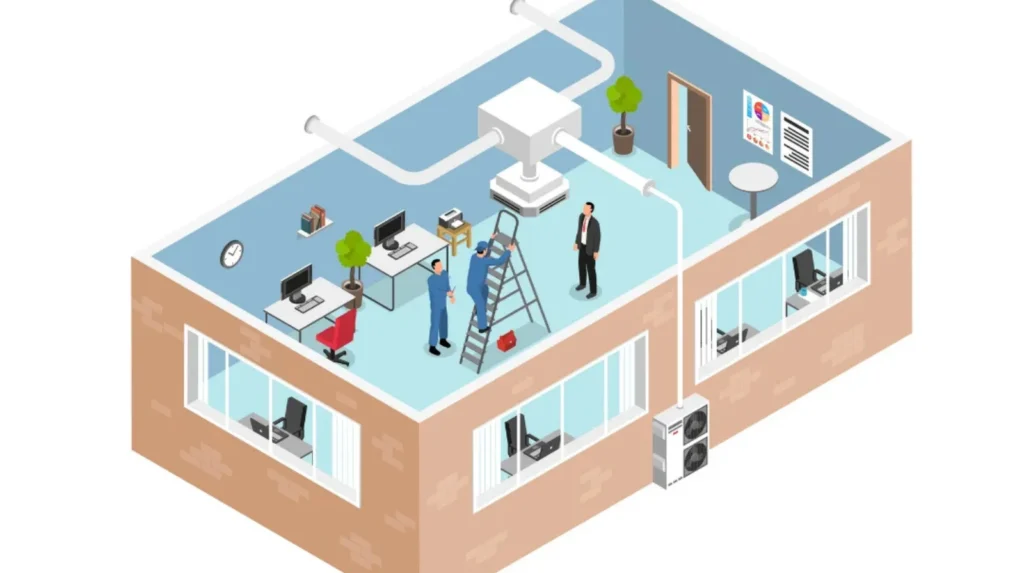
Machines are great until they aren’t. Every piece of equipment has a breaking point, and you don’t want to be standing nearby when it reaches it. This is why safety precautions for machinery are of such high importance. Whether it’s a simple power tool or a massive industrial press, maintenance is your best friend.
Don’t wait for a machine to make an unusual noise before checking it. Preventive care is the secret to a long, safe career.
How Jadian Can Support You?
Jadian makes this easy by setting up a schedule that tells you exactly when a machine needs a tune-up. You receive a notification, perform the check, and log the result.
If a machine isn’t functioning properly, remove it from service immediately. Pushing through a shift with faulty equipment is how people get hurt. A solid safety culture means any worker has the right to stop a machine if they think it’s unsafe.
5. Implement Precise Lockout/Tagout (LOTO) Protocols
If you’re working inside a machine, you need to be 100% sure it won’t turn on. This is where Lockout/Tagout (LOTO) comes in. It’s one of the most vital safety procedures in the world. It’s not enough to just flip a switch; you have to physically lock that power source and put your name on it.
Communication is usually where LOTO fails. Someone leaves for lunch, another person comes in, doesn’t see the worker, and flips the power back on. That’s a nightmare scenario.
Jadian Can Support You
Jadian’s software acts as the digital “tag” that everyone can see. It provides a clear, unchangeable record of who is working on what. By taking the guesswork out of the equation, you’re making the workshop a significantly safer environment. It turns a complex, dangerous task into a step-by-step process that anyone can follow.
6. Prioritize Ergonomics for Employee Workplace Safety
Safety isn’t always about big explosions or sudden falls. Sometimes, it’s about the slow ache in your back or the strain in your wrists. Ergonomics is all about making the job fit the person, not the other way around. Employee workplace safety encompasses not only short-term health but also long-term well-being, extending beyond the daily workday.
If you’re lifting heavy boxes, lift with your legs. If you’re at a desk, ensure your screen is positioned at eye level. These might seem like small things, but they add up over a twenty-year career.
We suggest using Jadian to share quick, 30-second “safety tip” videos with your team. A quick reminder on how to sit or stand can prevent a lifetime of chronic pain. When your body feels good, you’re more alert and less likely to make the kind of mistakes that lead to accidents.
7. Fire Safety and Emergency Preparedness
Nobody thinks a fire will happen to them until they see smoke. General safety rules in the workplace regarding fire are in place to ensure that when panic sets in, your training takes over. You need to know where the extinguishers are, which way leads to the exit, and where to meet once you’re outside.
Regular drills are a must. They shouldn’t be a surprise that everyone hates; they should be a quick, professional exercise in being prepared.
Jadian helps you log these drills and track how long it takes everyone to complete them.
Check your fire doors. Are they propped open with a wedge? That’s a massive safety fail. Fire doors are designed to stop the spread of smoke and flames. Keeping them shut is a simple rule that can save an entire building.
8. Chemical Safety and SDS Management
Chemicals are an integral part of many modern jobs, but they must be respected. Knowing what some safety precautions are for the specific liquids or powders you use is non-negotiable. You should never, ever use a chemical from an unlabeled bottle.
Safety Data Sheets (SDS) provide you with all the necessary information: what it is, its effects on you, and how to clean up any spills. Jadian puts these sheets right in the palm of your hand. Instead of digging through a dusty binder in the foreman’s office, you just scan a code and get the info on your phone.
Always wear the right gloves for the chemical you’re handling. Some chemicals can eat through latex like it’s paper. Using the wrong PPE can be just as dangerous as not using any at all.
9. Manage Fatigue and Mental Well-being
A tired brain is a dangerous brain. We’ve all had those days where we’re running on three hours of sleep and too much coffee. In a high-risk environment, that’s a recipe for disaster. Employee workplace safety depends on everyone being sharp and present.
Fatigue slows your reaction time. It makes you cut corners. It makes you forget the safety rules you’ve known for years. As a manager, it’s important to watch your team for signs of burnout. If someone is exhausted, they shouldn’t be operating the heavy machinery.
Encourage a culture where it’s okay to say, “I’m not 100% today.” It’s better to reassign someone to a lower-risk task for an afternoon than to deal with the fallout of an accident.
Safety is a team sport, and that includes looking out for one another’s mental well-being.
10. Continuous Improvement via Safety Software and Audits
The world changes, and your safety procedures should too. Perhaps you’ve acquired a new machine, or the warehouse layout has changed. You can’t rely on a safety plan from five years ago. This final rule is about never being satisfied with “good enough.”

Regular audits are the heartbeat of a safe company. They shouldn’t be scary; they’re just a way to check your work. Jadian makes this process transparent. You can see the trends—maybe accidents are always happening in the loading dock on Tuesdays. Why? Once you have the data, you can find the solution.
When you use software to manage your safety, you’re not just storing data. You’re building a history of how your company protects its people. It shows your employees that you care about them enough to invest in the best tools for their protection.
Conclusion: Your Safety Journey
At the end of the day, safety is about the people. These 10 rules for workplace safety are the tools we use to ensure everyone gets home safely to their families. By combining these habits with the right technology, you’re not just following rules—you’re building a better, stronger business.
Frequently Asked Questions (FAQ)
What are the 10 rules for workplace safety?
It’s a mix of common sense and disciplined habits: assessing risks, wearing your PPE, keeping the floor clear, maintaining your tools, using LOTO, maintaining ergonomic practices, preparing for fire, being aware of chemicals, managing your energy, and always looking for ways to improve through audits.
How does Jadian help with employee workplace safety?
Think of Jadian as the brain of your safety operation. It keeps all your inspections, training records, and machine manuals in one place that everyone can access.
Why are safety rules in a workshop different from those in an office?
In a workshop, the hazards are more “active.” You have moving parts, high heat, and heavy loads. While general safety rules in the workplace (such as keeping exits clear) apply to everyone, workshop rules must be more specific regarding physical protection.
What are some safety precautions for working alone?
If you’re by yourself, communication is everything. Use a “check-in” system where someone knows your location and when you’re expected back. Jadian can help track these check-ins so nobody is ever truly alone in a dangerous spot.
How can we make safety procedures feel less like a chore?
The best way is to make them easy to understand. If a worker has to walk across the building to sign a paper, they might skip it. If they can just tap a button on their phone using Jadian, they’re much more likely to do it.