Food safety does not end once the finish line has been crossed, whenever cooking ends. In fact, the greatest threats to health manifest once food leaves the heat. They lurk in reckless handling, poor storage, or improper serving. For food workers, keeping cooked food safe helps protect public health, build customer trust, and follow the rules.
If proper controls are not in place, harmful bacteria and viruses can easily get into ready-to-eat meals.
Food businesses often struggle with this question: What should food workers use to protect ready-to-eat food from contamination? Well, this article answers that and more, giving you the right guidelines and tips for keeping food safe.
Why Protecting Cooked Food from Contamination Is Critical
A key part of food safety is keeping cooked food safe from contamination. Even after food is cooked, it can still become unsafe if it comes into contact with harmful bacteria and viruses. Contamination at this stage can go unnoticed.
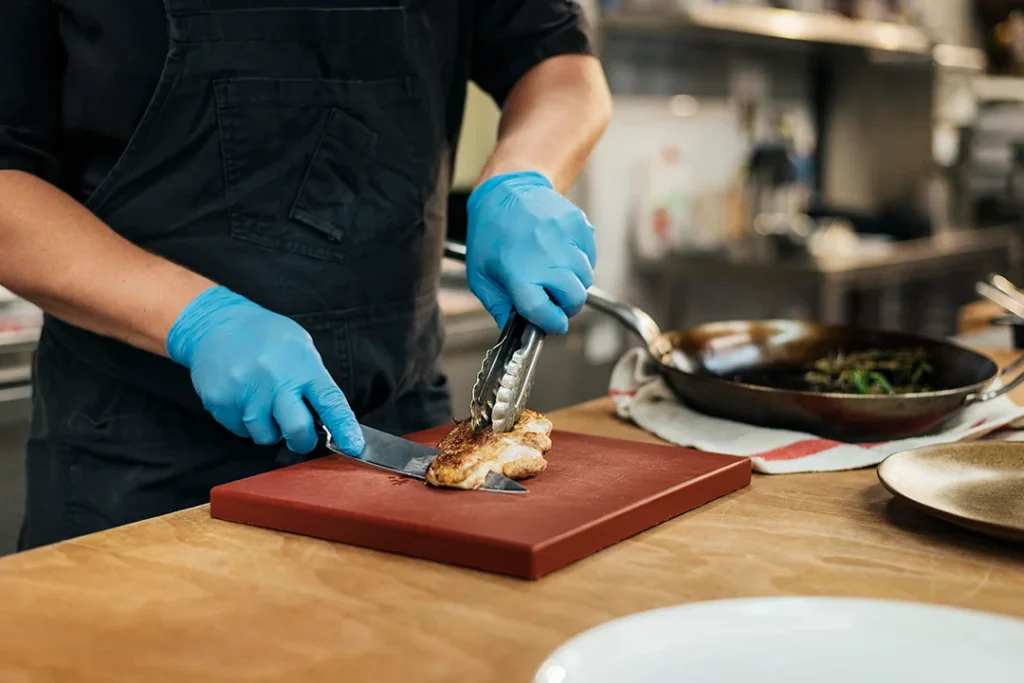
This problem often occurs when items are handled poorly, stored incorrectly, or when equipment is not clean. As such, focusing on prevention can help avoid these issues.
Risks of Foodborne Illness After Cooking
Cooking food at the right temperature destroys many dangerous germs, but this is only the first step. Once cooked, food is still at risk. If it comes into contact with dirty hands, unwashed surfaces, or is left somewhere unsafe, it can quickly become contaminated again, so it is important for food handlers to know how to identify food contaminated before serving.
If you let contamination slip by, bacteria and viruses can multiply at lightning speed, especially when food sits at the wrong temperature. That is why safe handling after cooking is just as crucial as cooking itself.
Common Contamination Points in Food Service Operations
In food service, contamination can happen during cooling, storing, transporting, or serving food. It can also result from leaving cooked food uncovered, using dirty utensils, or not following hygiene rules.
If safety steps are skipped, areas like prep tables, service counters, and buffet lines can become unsafe. When food workers see these issues, they can take action to keep ready-to-eat food safe.
Regulatory Expectations for Post-Cooking Food Safety
Food safety rules require that food be kept safe from contamination at all times, even after it has been cooked. Today, agencies expect food workers to practice good hygiene, keep food at safe temperatures, and store it properly using the right equipment.
These rules explain what food workers should do to prevent biological hazards from contaminating food. This way, cooked food stays safe until it is served. Not following these rules can lead to violations, fines, and a higher risk of foodborne illness.
What Should Food Workers Use to Protect Ready-to-Eat Food from Contamination
In this day and age, food workers play an important role in keeping ready-to-eat food safe. This matters because this type of food will not be cooked again before it is eaten. Using the right tools, equipment, and safety steps helps keep food safe. The good controls also assist the food workers in minimizing the contamination threat when handling, storing, and serving food.
Clean and Sanitized Equipment and Tools
Rule one: When handling ready-to-eat food, food workers should use clean utensils, equipment, and surfaces that are clean and sanitized. Washing and sanitizing of tongs, scoops, ladles, and cutting tools should always be done after use in an attempt to prevent the transmission of infectious germs. It is also important to use different equipment for cooked and ready-to-eat foods to avoid cross-contact and keep food safe.
Personal Protective Equipment (PPE)
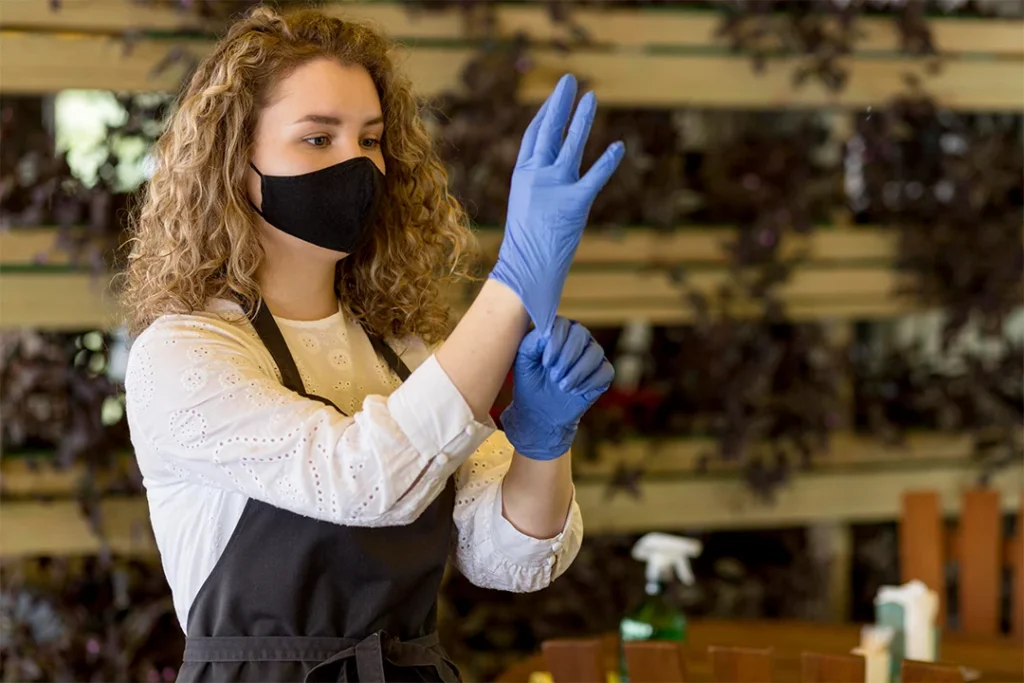
Personal protective equipment is a big part of the prevention of contamination. Disposable gloves should be used by the workers when touching ready-to-eat food. Change gloves when they get dirty or between tasks. Wearing hair restraints, clean aprons, and the right uniforms also helps prevent contaminants from spreading, which supports good food safety practices.
Stored Data and Suitable Containers.
Store food that is ready-to-eat in containers that are safe for food. This keeps them safe from dust, spills, and being mixed up with the raw items.
Temperature Monitoring Tools
The right temperature lowers the chance of contamination. It is important to use a calibrated thermometer to check that hot food stays hot and cold food stays cold. Checking temperatures regularly stops bacteria from growing and keeps food safe.
Color-Coded Utensils and Storage Accessories
Using color-coded utensils, cutting boards, and storage containers helps food workers quickly tell the difference between raw, cooked, and ready-to-eat foods. This simple system reduces confusion in busy kitchens and helps prevent cross-contamination.
In the end, using color-coded tools is an easy and effective way to keep food safe.
What Should Food Workers Do to Prevent Biological Hazards from Contaminating Food
Bacteria, viruses, and parasites are common causes of food getting dirty or unsafe in food service. Food workers can lower these risks by keeping themselves clean, cleaning often, and always handling food carefully. By doing this, they help stop food from getting contaminated and keep it safe to eat.
Maintain Proper Personal Hygiene
One important way to prevent food contamination is to practice good personal hygiene. Wash your hands with soap and water, and handle food and other items after handling them.
Always try to keep away bare hands on food. Proper food hygiene practices usually ensure that germs and other dangers do not enter food.
Implement Rigorous Cleaning and Sanitizing Protocols
Food workers need to wash and disinfect all surfaces, tools, and equipment that come into contact with food to prevent contamination. Clean work areas regularly and use the correct cleaning products in the right amounts. If you skip cleaning, dangerous germs can stay on surfaces and might make food unsafe.
Prevent Cross-Contamination
Cross-contamination occurs when harmful germs spread from raw food, equipment, or surfaces to food that is already cooked. To avoid this, food workers should use different utensils, cutting boards, and storage spaces for raw and cooked foods. It also helps to change gloves between tasks and store food properly to lower the risk of contamination.
Follow Safe Holding and Storage Temperatures
It’s important to watch both time and temperature to stop harmful bacteria from growing. If you keep food at safe temperatures, bacteria will not increase. Checking hot and cold food temperatures often helps stop germs from spreading and lowers the chance of getting sick from food.
Stay Home When Sick
Sometimes people come to work even when they are sick. If you do not feel well, you could pass germs to food or things people touch. If you have symptoms like throwing up, loose stools, or a fever, it is best to stay home and not handle food. This helps protect customers and coworkers and keeps everyone safe.
Proper Storage Practices for Cooked Food
Storing cooked food the right way helps keep it safe and stops it from getting contaminated. Even when food is cooked well, storing it the wrong way can let harmful bacteria grow.
Below are some of the storage practices that effectively protect cooked food. By using the right storage methods, food workers help keep food safe until it is served.
Safe Cooling Procedures
To keep cooked food safe, cool it quickly to slow down bacterial growth. If food sits out at room temperature for too long, it can become unsafe. Here are some steps you can take:
- Use shallow containers for storing food.
- Divide large portions of food into smaller amounts.
- Keep food in a cool place so it chills quickly and stays safe.
These steps help prevent bacteria from getting into your food or slow their growth by keeping the temperature right.
Correct Refrigeration and Freezer Storage
After food has cooled, store it in the refrigerator or freezer at a safe temperature. Put cooked food on shelves above raw food to prevent drips or spills from causing cross-contamination. Also, keep storage areas clean and organized to help prevent contamination and encourage good food safety habits.
Labeling and Date Marking
Labeling and date marking are important for keeping track of food freshness and making sure unsafe food is not used. Labels need to show when food was prepared or stored so workers can follow rotation rules. Marking dates correctly helps prevent food contamination because it ensures cooked food is used while it is still safe.
Cleaning and Sanitizing After Food Is Cooked
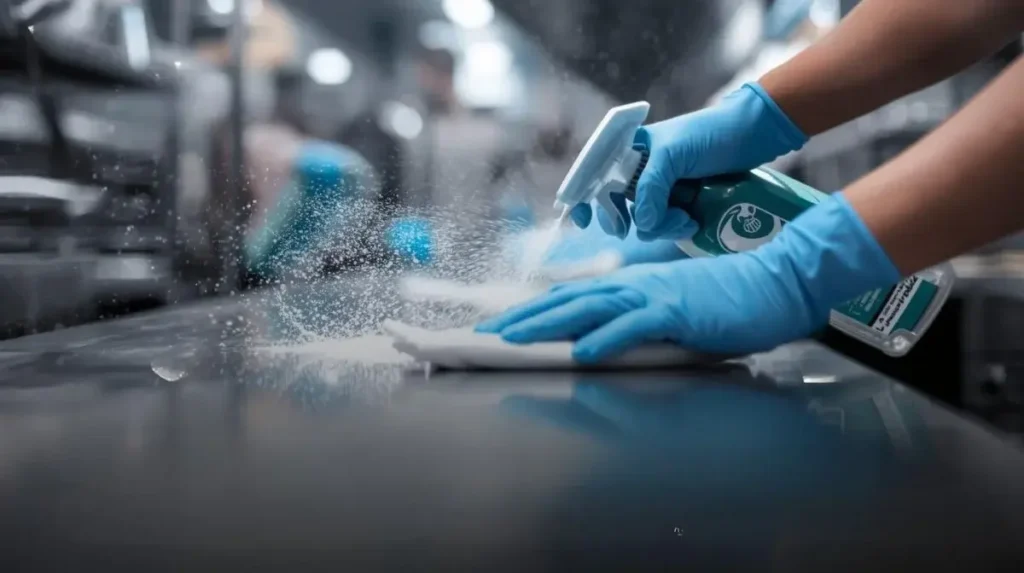
After preparing food, surfaces, tools, and equipment can hold harmful bacteria if they are not cleaned properly. That’s why cleaning and sanitizing are important to keep cooked food safe from contamination. Regular cleaning helps prevent contamination and keeps food service operations safe.
Cleaning Food-Contact Surfaces
It is recommended to wipe down countertops, cutting boards, utensils, and serving equipment as soon as you finish using them. Removing leftover food and grease helps prevent contamination. Cleaning regularly also keeps bacteria from growing on surfaces that touch cooked or ready-to-eat foods.
Proper Use of Sanitizers
Once the surfaces are clean, apply approved sanitizers to remove any remaining germs. Use the right amount and let it sit for the time shown on the label. Using sanitizers incorrectly can make them less effective and may lead to contamination.
Maintaining a Clean Food Environment
Keeping a food environment clean means more than just wiping down surfaces that touch food. Make sure to clean floors, trash areas, storage spaces, and equipment to help stop the spread of germs. Taking out waste regularly, controlling pests, and keeping workspaces organized all help prevent contamination and make it safer to handle food.
Role of Food Safety Technology in Preventing Contamination
Today, food safety technology is becoming more important for preventing contamination. Digital tools help with regular monitoring, record-keeping, and meeting safety standards. Therefore, there is less need for hands-on work that can cause errors. When used the right way, technology makes food safety systems better. It also helps keep cooked and ready-to-eat food safe while it is being handled and stored.
The following sections explain how food safety technology can help workers stop contamination.
Digital Temperature Monitoring
Digital temperature monitoring tools let food workers check the temperature of hot and cold foods as they work. If food leaves the safe range, the system alerts staff so they can quickly fix the issue. These tools help prevent bacterial growth and reduce the risk of food contamination caused by poor temperature control.
Automated Checklists and Compliance Tracking
Automated checklists make it easier to keep food safety tasks like cleaning, sanitizing, storage checks, and equipment inspections consistent. Digital records help track compliance, spot missed steps, and show that your team follows food safety rules during audits or inspections. By making routine tasks simpler, these tools help prevent contamination and make teams more accountable.
Reducing Human Error Through Software Solutions
Manual food safety checks can be unreliable, especially when kitchens get busy. Using software helps reduce errors by guiding staff through each step, sending reminders, and keeping records current. When important safety checks are automated, food handling becomes safer, and the risk of contamination after cooking goes down.
Common Mistakes Food Workers Should Avoid
Even with good training, small mistakes can still lead to serious food safety problems. Most food contamination does not happen because workers do not know what to do. Instead, it often happens when tasks are rushed, habits are inconsistent, or steps are skipped.
If food workers notice and avoid these common mistakes, they can do a better job of keeping cooked and ready-to-eat food safe from contamination.
- Leaving Cooked Food Uncovered
If you leave cooked food uncovered, it can pick up germs from the air, get splashed, or be touched by mistake. This happens more often in busy kitchens where people are always handling food. To keep food safe, always cover it with a lid, wrap, or use a food shield.
- Improper Glove Use
Gloves are not a substitute for washing your hands. A common mistake is wearing the same gloves for different tasks, which can move germs from surfaces to food. Food workers need to wash their hands and put on new gloves between tasks and after touching other things.
- Storing Cooked Food Incorrectly
Storing cooked food next to raw ingredients or at the wrong temperature can cause cross-contamination and help bacteria grow. Keep food safe by putting cooked food on shelves above raw food in the fridge. Use clean containers with labels for storage.
- Ignoring Time and Temperature Controls
Not keeping track of how long food is stored or left out can lead to foodborne illness. Bacteria grow fast if cooked food is left out too long at the wrong temperature. To stay safe, check the temperature often and follow the suggested time limits.
Final Thoughts
While cooking destroys many dangerous germs, it does not guarantee lasting safety. The real test begins once the food leaves the stove. Every step of handling, storing, and serving becomes a chance for contamination if you slip up, even just a little.
For food workers, keeping cooked food safe is more than just a routine job. It is considered a shared responsibility. By keeping work areas clean and following safe storage and handling steps, food workers help prevent contamination and foodborne illness. These everyday actions protect public health and build trust with both customers and regulators.
In the end, food safety depends on being consistent and aware. When food workers stay alert and use proven practices every day, they help keep meals safe even after cooking is finished. By doing this, they serve as the last line of defense. They make sure every dish reaches the customer as it should: safe, wholesome, and ready to eat.
FAQs
How should food workers protect food from contamination after it is cooked?
To ensure the food is safe, food handlers should maintain good personal hygiene, clean equipment, store food well, cover food, prevent cross-contamination, and clean and sanitize thoroughly.
What should food workers use to protect ready-to-eat food from contamination?
To maintain the safety of ready-to-eat food, the food handlers must clean utensils, store the food in a food protection container, wear gloves, keep hair down, and take constant temperature checks to avoid contamination.
Why is cooked food still at risk of contamination?
Even after cooking, food can become contaminated if it is not handled properly. It may also come into contact with dirty surfaces and be stored in unsafe conditions. Not following temperature guidelines lets bacteria and viruses return and multiply in the food.
How does cross-contamination occur after food is cooked?
Cross-contamination happens when cooked or ready-to-eat food touches raw food, dirty utensils, or unclean surfaces. To prevent this, use different equipment for each task, change gloves between jobs, and keep cooked food stored above raw food.
What temperatures should cooked food be held at to remain safe?
Keep cooked food at safe temperatures to stop bacteria from growing. Make sure hot foods stay hot and cold foods stay cold. Check temperatures often so food does not enter the danger zone.
Why is personal hygiene important for food workers?
Poor personal hygiene often leads to food contamination. Washing hands well, wearing clean uniforms, and not handling food when you are sick help prevent the spread of germs to cooked and ready-to-eat foods.