The primary task of food handlers is to keep people healthy by ensuring the food is fresh and safe. That is why food safety is an important issue that concerns kitchens, factories, or any other place where food is cooked or served.
Mishandling or inadequate cleanliness is dangerous to customers and businesses. Even a small slip-up on safety measures will allow the harmful germs into the food, causing an illness and regulatory difficulty.
Food handlers need to be aware of the ways to identify germ-infested food. Identifying contamination indicators and understanding when food is not safe will help them reduce the chances of serving it and achieve safety.
This blog explains how to spot contaminated food and how food safety software can help food handlers with this task.
How Can a Food Handler Identify Food That Has Been Contaminated With Pathogens?
Food becomes contaminated with pathogens when harmful microorganisms are present in amounts that can make people sick.
These microorganisms include:
- Bacteria
- Viruses
- Parasites
This pathogenic contamination happens when people do not follow proper food safety controls. When you allow these microorganisms to grow, survive, or spread, you put consumers and production at risk.
Compared to spoilage bacteria, pathogens do not always have obvious changes in smell, taste, or appearance. As such, it is difficult to identify food contamination through simple sensory checks.
Pathogenic contamination in food is almost always invisible. This is one of the biggest challenges in identifying contaminated food. Food could easily appear fresh and safe to eat while having dangerous microorganisms.
The most common type of contamination is called “cross-contamination”. This is when raw food is mixed with ready-to-eat items, or when food handlers do not wash their hands after. Since these processes are often hidden, contamination can happen without any obvious warning signs.
Failure to identify contaminated food can lead to dangerous results. If people eat food with harmful germs, they might get sick.
Sometimes this just means a stomachache, but it can also cause serious illness, especially for people who are more at risk. For food businesses, this can mean having to take products off the shelves, legal troubles, a bad reputation, and losing trust.
That’s why food handlers should take steps to prevent problems. They should practice good hygiene and check food regularly to make sure it stays safe.
What Are Pathogens and Spoilage Bacteria?
Pathogens and spoilage bacteria are different types of tiny living things that affect food in their own ways. Knowing the difference helps food handlers follow safety rules and keep food safe.
Next, we will explain what pathogens and spoilage bacteria are. This will help food handlers identify them correctly.
Types of Foodborne Pathogens
Foodborne pathogens are tiny germs that can make people sick if they eat food that has these germs in it.
Some examples of these germs are:
Bacteria
Common cause of foodborne illnesses and contamination.
Viruses
Highly contagious pathogens spread through food and water.
Parasites
Transmitted by raw or undercooked food products.
Molds
Fungi that grow on food and produce harmful toxins.
Yeasts
Microscopic fungi responsible for food spoilage.
Many of these germs can multiply fast in kitchens or other places where food is prepared. This is especially true if it is too hot or cold or if things are dirty.
In food safety training, handlers find out that although many bacteria can cause illness, some are harmless or even helpful. For instance, certain bacteria are used in fermentation. This is why it is important to know which microorganisms are truly dangerous.
Some common foodborne pathogens found where food is handled are:
- Salmonella
- E. coli
- Listeria monocytogenes
- Campylobacter
- Norovirus
These germs can get into food if it is stored the wrong way. It can also spread if workers are not clean or if food comes into contact with contaminated items.
Spoilage Bacteria vs. Pathogenic Bacteria
Spoilage bacteria usually change the way food looks, smells, and tastes, but they rarely make it dangerous to eat. You can often tell food is spoiled if it smells bad, feels slimy, looks odd, or tastes strange. While spoiled food is unpleasant, eating it does not always cause illness.
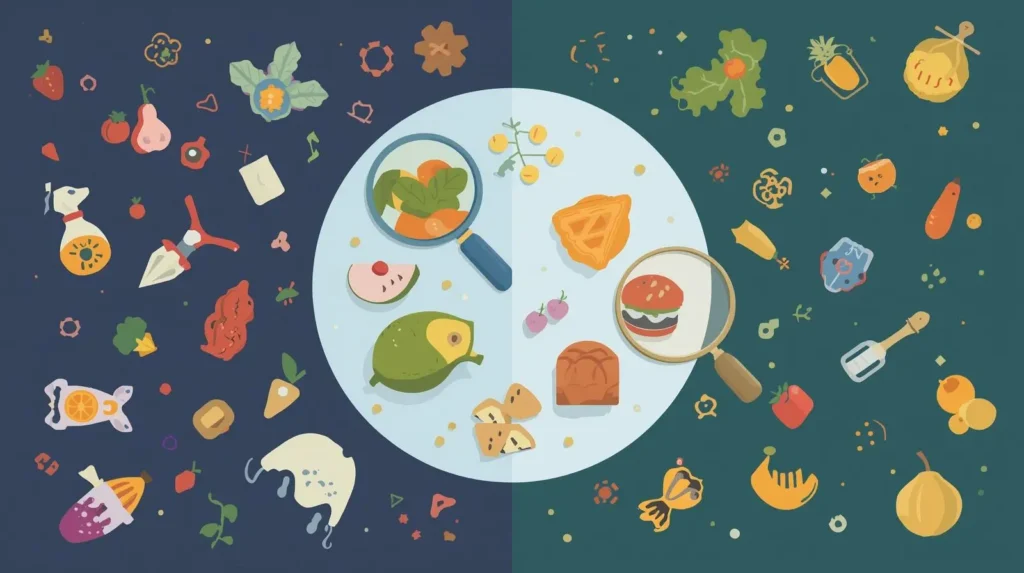
On the other hand, pathogenic bacteria are more dangerous. They can cause illness even if the food looks and tastes normal.
These microorganisms can be present in such small numbers that you cannot see them with your eyes. That is why following food safety guidelines prevents illness and keeps everyone safe.
Common Ways Food Becomes Contaminated
Knowing how pathogenic contamination in food happens is key to preventing harmful germs in food and keeping people safe. These risks can appear during everyday food handling and are often difficult to notice. Hence, taking steps ahead of time for food handlers is important.
Below are some of the common ways food becomes contaminated in food handling.
Cross-Contamination During Food Handling
Cross-contamination happens when harmful microorganisms from one surface or food item are transferred to another. This could be by hand, utensils, equipment, or food contact surfaces.
For instance, using the same cutting board for raw ingredients and ready-to-eat food. If you do not clean it after every task, it can quickly result in food contaminated with pathogens.
Recognizing these high-risk moments helps answer how a food handler can spot food contaminated with pathogens. Moreover, it shows that tracking handling practices is more important than judging food by its appearance.
Improper Storage and Temperature Control
Time and temperature abuse is another key cause of contamination. When food stays in the temperature danger zone for too long, bacteria can grow fast. This increases the risk of harmful contamination. Poor refrigeration or not keeping food hot enough also lets germs multiply, even if the food still looks safe.
Environmental and Facility-Related Risks
A clean and well-kept food handling area helps stop contamination. Pests, dirty water, poor waste management, and bad cleaning habits can all bring harmful germs into food. If these problems are not managed, food may become contaminated with harmful germs.
This is why regular inspections and clear food safety rules matter.
Visible Signs of Food Contaminated by Spoilage Bacteria
Spoilage bacteria can make food look, smell, or taste different, so it is no longer safe to eat. Spotting these changes early helps food handlers remove bad products before they cause foodborne illness to spread through cross-contamination.
How can a food handler identify food that has been contaminated with pathogens? Here are some of the changes that you need to spot:
- Changes in Smell
A strange smell is often one of the first signs that food is going bad. When bacteria break down food, you might notice sour, rotten, or strong smells. Still, even if food smells normal, it can contain harmful germs that you cannot detect by odor alone.
- Changes in Texture
Spoiled food can feel slimy, sticky, or softer than usual. These issues often happen with meats, dairy products, and cooked foods that are kept at unsafe temperatures. If spoiled food is not handled properly, bacteria can spread to clean surfaces or other foods.
- Changes in Appearance
Clear signs of spoilage include visible changes like these:
- Discoloration
- Cloudiness in liquids
- Gas bubbles
- Mold growth
These changes mean that microbes are active. All of the following bacteria can cause foodborne illness except those that are harmless or beneficial. This highlights that not all visible microbial growth means the presence of harmful bacteria.
- Packaging Changes
If you notice swollen containers, leaking packages, or broken seals, it could mean bacteria are producing gas inside the packaging. When you notice these signs, throw the food out right away to stay safe.
Visible signs can help you notice spoiled food, but they do not always show that harmful germs are there. Sometimes, food looks fine but still contains dangerous microorganisms. You should follow safe food handling practices instead of relying only on how food looks.
Why You Can’t Always See Pathogen Contamination
One big problem with food safety is that many harmful germs do not change the way food looks, smells, or tastes. Sometimes, food may look or smell spoiled because of certain bacteria. However, dangerous germs can still be present even if the food seems normal. So, you cannot depend only on your senses to tell if food is safe.
Depending only on what you see, smell, or taste is risky. This is because contaminated food can still make people sick, even if it looks safe.
Harmful bacteria like Salmonella, E. coli, and Listeria can grow without being noticed. Consequently, this puts consumers at risk and can also lead to legal or reputation problems for food businesses.
That’s why it’s important to have preventive food safety systems. Using clear monitoring steps, set routines, and digital tools helps food handlers find and stop contamination before it becomes a problem. Being proactive keeps food safe all the time, instead of leaving it up to chance.
Practical Ways Food Handlers Can Identify Food Contaminated with Pathogens
It can be hard to spot food contaminated with pathogens since these harmful microorganisms usually do not change the food. However, spoilage bacteria often cause food to smell bad or look unusual. These guidelines help food handlers identify food that could be contaminated with harmful germs.
- Monitor Risk Points During Food Handling
Food might look safe, but the way you handle it can sometimes let in harmful germs. Here are some examples:
- Cross-contamination, which can happen when raw foods touch ready-to-eat foods, or when surfaces and utensils are not clean.
- Food can be exposed to risks like pests, dirty water, or storage areas that are not cleaned well.
- It is also risky to store or prepare food in places where you do not know if the conditions are safe or consistent.
If food handlers know about these risks, they can spot unsafe food before any problems show up.
- Watch for Indirect Indicators of Contamination
You can’t see germs, but contaminated food often gives off small warning signs when you handle or store it. Here are a few things to look for:
- Look for any changes in packaging you didn’t expect. If a container is bloated, leaking, or damaged, it could mean bacteria are inside.
- Pay attention if batches from the same supplier or storage area keep going bad. This pattern could point to a bigger issue.
- Remember any past cases of contamination linked to certain ingredients, suppliers, or equipment.
These signs help handlers identify foods that might be at higher risk, even if there are no obvious sensory clues.
- Leverage Observational Records and Data
If you keep records of past inspections and delivery conditions, you can find patterns that may show signs of contamination. Digital tracking tools or simple logs can help food handlers see these trends. It also allows them to connect risks to certain foods, suppliers, or ways of preparing food.
Taking these steps makes it easier to catch problems early, before anyone gets sick.
- Educate Teams on Pathogen Awareness
Trained food handlers know that food can still have pathogens even if it looks safe. Teams need to watch for:
- The types of food most prone to contamination (e.g., raw meats, unpasteurized dairy, ready-to-eat salads)
- Situations that frequently lead to contamination
- When to flag, isolate, and report suspicious food items for further inspection
Ongoing training and awareness help handlers stay alert, making it more likely they will spot contaminated food early.
Best Practices for Preventing Contaminated Food
To prevent food contamination, it is important to be proactive by monitoring, keeping things clean, and following the same steps. When food handlers follow safety guidelines, they can reduce risks and notice issues before any rules are broken.
These are some of the best practices food handlers can use to help prevent food contamination.
Strict Temperature Monitoring
To keep bacteria from growing, always store food at the right temperature. This matters whether you are putting food in the fridge, keeping it hot, or cooling it down. If food is left outside safe temperature ranges, it can become unsafe to eat, even if it looks fine.
Thus, it is recommended to check temperatures often, store food correctly, and keep records. These practices will help keep food safe while it is handled and stored.
Hygiene and Sanitation Controls
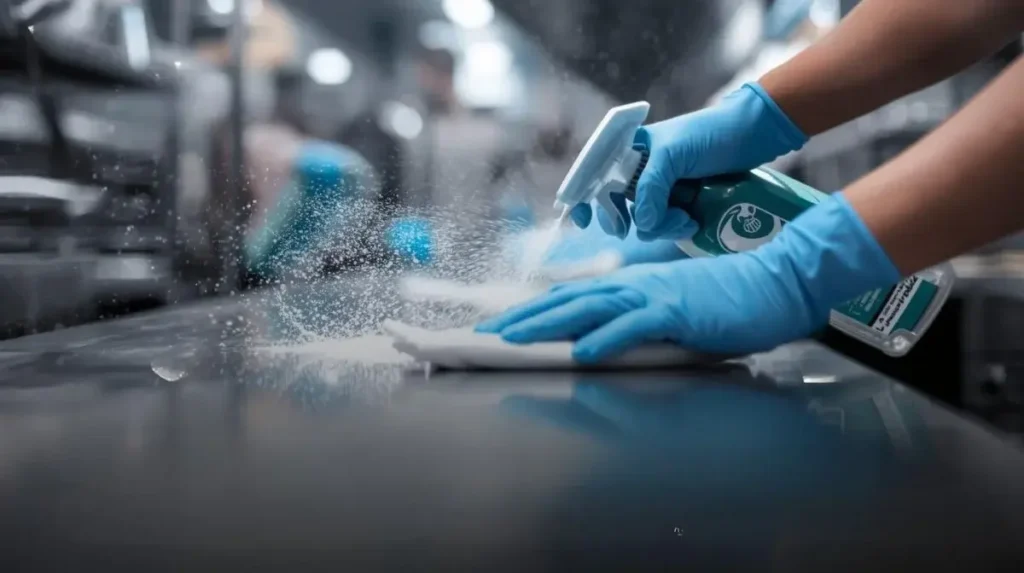
Practicing good hygiene is key to preventing contamination. Wash your hands thoroughly, wipe down surfaces often, and clean equipment after every use. Staying clean stops germs from spreading and helps you follow food safety rules, especially in areas where contamination is more likely.
Staff Training and Standard Operating Procedures
Having well-trained staff helps spot contamination risks early. Teaching food handlers about warning signs and safe handling makes sure food safety rules are followed every day. Having clear step-by-step procedures helps teams act quickly and correctly if something goes wrong.
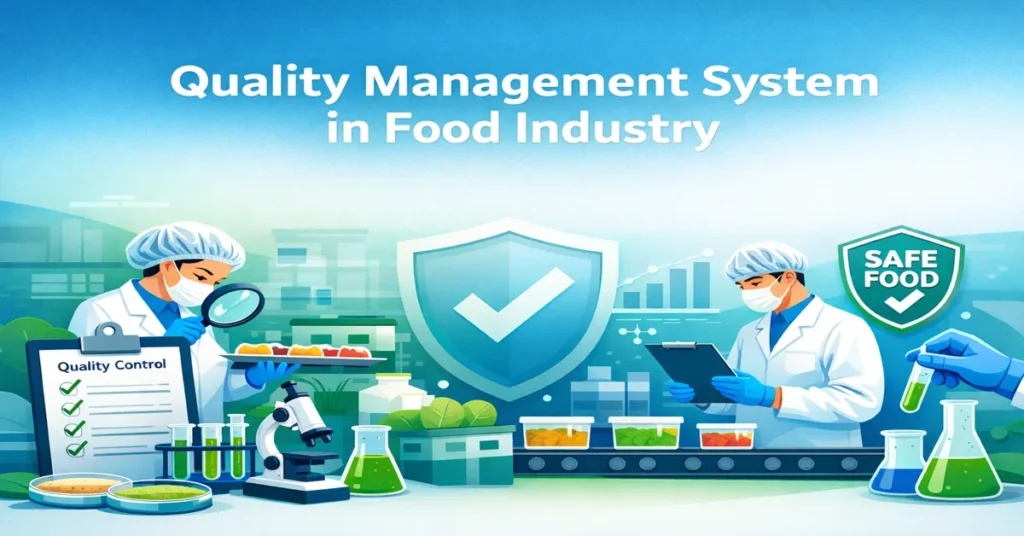
Many food businesses use food safety software to support these best practices. This software turns checklists into digital forms, tracks temperatures, and helps everyone follow the same steps.
How Food Safety Software Helps Prevent Contamination
To manage food safety effectively, businesses should be consistent, accurate, and pay attention to daily operations. Food safety software helps by letting businesses track important control points. It also reduces human error and helps stop contamination before it becomes a problem.
The next sections highlight the features that help food safety software prevent contamination.
Digital Monitoring of Food Safety Guidelines
Food safety software makes it easier for businesses to follow the same food safety guidelines at every location.
The system automatically logs temperatures and sends real-time alerts if cold or hot holding moves outside safe limits. This lets staff fix problems before contamination can occur. It also provides digital checklists for cleaning and hygiene. These checklists help ensure tasks are done on time and recorded properly, reducing the risk of missed steps or errors.
Improved Visibility and Accountability
Food safety software also gives managers a clear, real-time view of daily food safety tasks. With dashboards and activity logs, it can track if inspections, cleanings, and temperature checks are done on time. This simple process cuts down on paperwork and mistakes. It also shows who is responsible for each task, helping everyone stay organized and focused.
Simplifying Compliance and Audits
Food safety software keeps your inspection, corrective action, and audit records safe and organized in one place. You no longer have to dig through paper logs as finding the right documents for regulatory inspections is much faster. This makes it easier to prove you follow food safety rules and helps you keep improving your processes.
Supporting Safer Food Handling with the Right Tools
Food handlers need to understand how contamination can occur. Harmful germs in food are often invisible, so you usually cannot see, smell, or feel them. As such, to keep food safe, watch for risks like poor handling and follow proper safety steps. By paying attention to how food is handled, food handlers can catch risks early and prevent bigger issues.
To sum up, keeping a close eye on food is important since harmful bacteria might be present even without signs. Regular temperature checks, good hygiene, and routine inspections help spot problems early instead of just relying on how food looks. Taking these steps helps protect public health and lowers the risk of food safety problems.
Brands like Jadian, Inc. make food handling safer by offering digital tools that help monitor food safety guidelines. Their software uses real-time tracking, clear procedures, and organized records so organizations can spot risks early, prevent contamination, and stay compliant.
In return, organizations run safer operations and feel more confident about their food safety results.
This helps protect public health and keep food quality high.
How We Help with Food Safety Monitoring
Jadian, Inc. helps food handlers manage food safety with a cloud-based platform for easy compliance. You can track inspections right away and keep your data organized, so there’s no need for paper logs or spreadsheets. This makes your food safety operations more efficient, transparent, and accountable.
Our food safety software is designed for industries that must follow strict compliance rules.
It helps you monitor food quality, hygiene, and nutrition. It also makes it easier to manage important standards like HACCP and other regulations.
Automated recordkeeping helps make sure food safety tasks are completed on time and documented correctly. This way, you are less likely to miss any checks or leave records incomplete.
Food handlers can use Jadian’s web and mobile tools to check inspection data, temperature logs, and corrective actions from anywhere. By keeping all food safety data together, Jadian makes it easier to get ready for audits and reduce the risk of contamination. This supports high food safety standards at every site.
FAQs
1. How can a food handler identify food that has been contaminated with pathogens?
Food handlers can spot potentially contaminated food by watching for risks like cross-contamination, environmental exposure, and problems with suppliers. Checking how food is handled, looking at inspection records, and using digital tools can also help find unsafe food early.
2. What are the visible signs of food contaminated by spoilage bacteria?
Most likely, spoiled food has a sour smell, is slimy, or has a different color or mold, or the package is swollen or leaking. The given warning signs indicate that the food is spoiled, although they do not necessarily indicate the presence of harmful bacteria.
3. What is the difference between spoilage bacteria and pathogenic bacteria?
Spoilage bacteria can change the way food looks, smells, or feels, which usually makes it less appealing. Pathogenic bacteria are harder to notice because you often cannot see them, but they can cause foodborne illness. You should watch out for both types. Pathogens are especially dangerous because they might be there even when food seems safe.
4. Can food appear safe but still be contaminated?
Yes. Pathogenic contamination in food usually does not change how the food looks, tastes, or smells. This makes it hard to notice unless you monitor handling, environmental conditions, and use preventive measures.
5. What are the common ways food becomes contaminated?
When food comes into contact with other food during handling, when the food is stored at an incorrect temperature, and when the food is in contact with pests, contaminated water, and dirty surfaces.
6. How does food safety software help prevent contamination?
Food safety software tracks temperature, sanitation, and inspection logs digitally. This reduces mistakes and helps businesses follow food safety rules. The software sends real-time alerts, keeps records in one place, and uses standard processes to spot risks early.